Where the Questions Begin
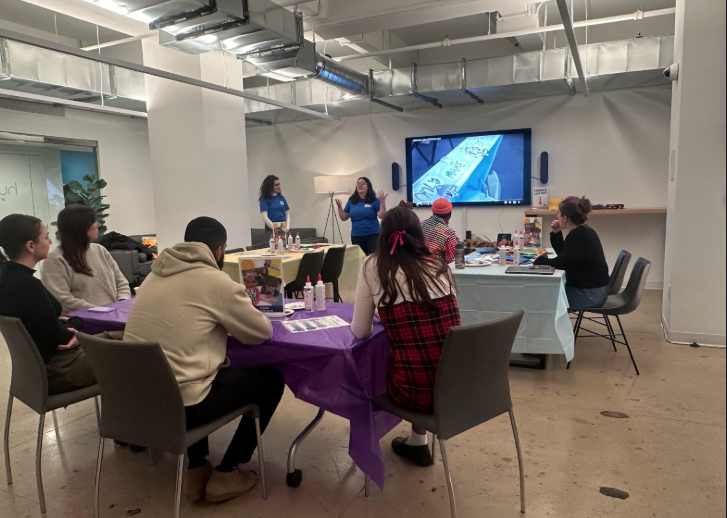
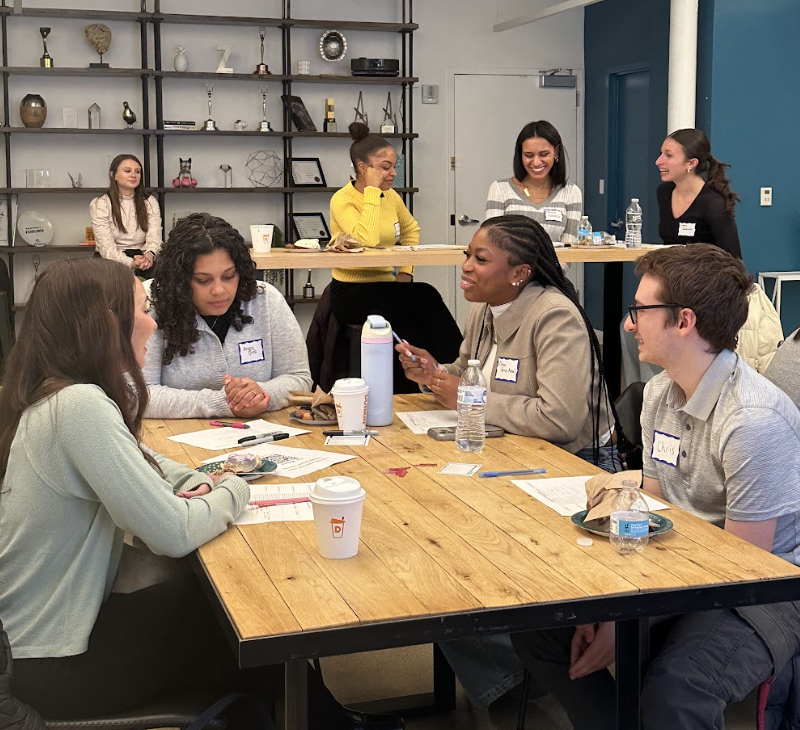
A University at Albany junior sat in a conference room, notebook open but mostly untouched, listening closely as a panel of marketing professionals described their first jobs. The stories weren’t polished. They were specific—about missteps in interviews, resumes that didn’t quite land, and the uncertainty that comes with starting out.
“It allowed me to gain insight on what a real work place can look like,” the student said later, reflecting on the moment.
Around them, two dozen other students leaned forward in their seats, asking questions that felt immediate: How do you stand out when everyone has the same degree? What actually matters on a resume? What does a hiring manager notice first?
For many in the room, these weren’t abstract concerns. They were pressing.
The Gap Between School and Work
For college students preparing to enter the workforce, the transition from classroom learning to professional expectation can feel unclear. Degrees signal readiness, but they don’t always translate into the practical skills employers look for—how to communicate experience, how to navigate interviews, how to understand workplace dynamics before stepping into them.
It’s a gap that has widened in recent years. Employers often note that new hires are arriving without the same level of preparedness seen a decade ago, particularly when it comes to translating academic knowledge into applied skills. At the same time, students are navigating a competitive job market where expectations are high and guidance can be inconsistent.
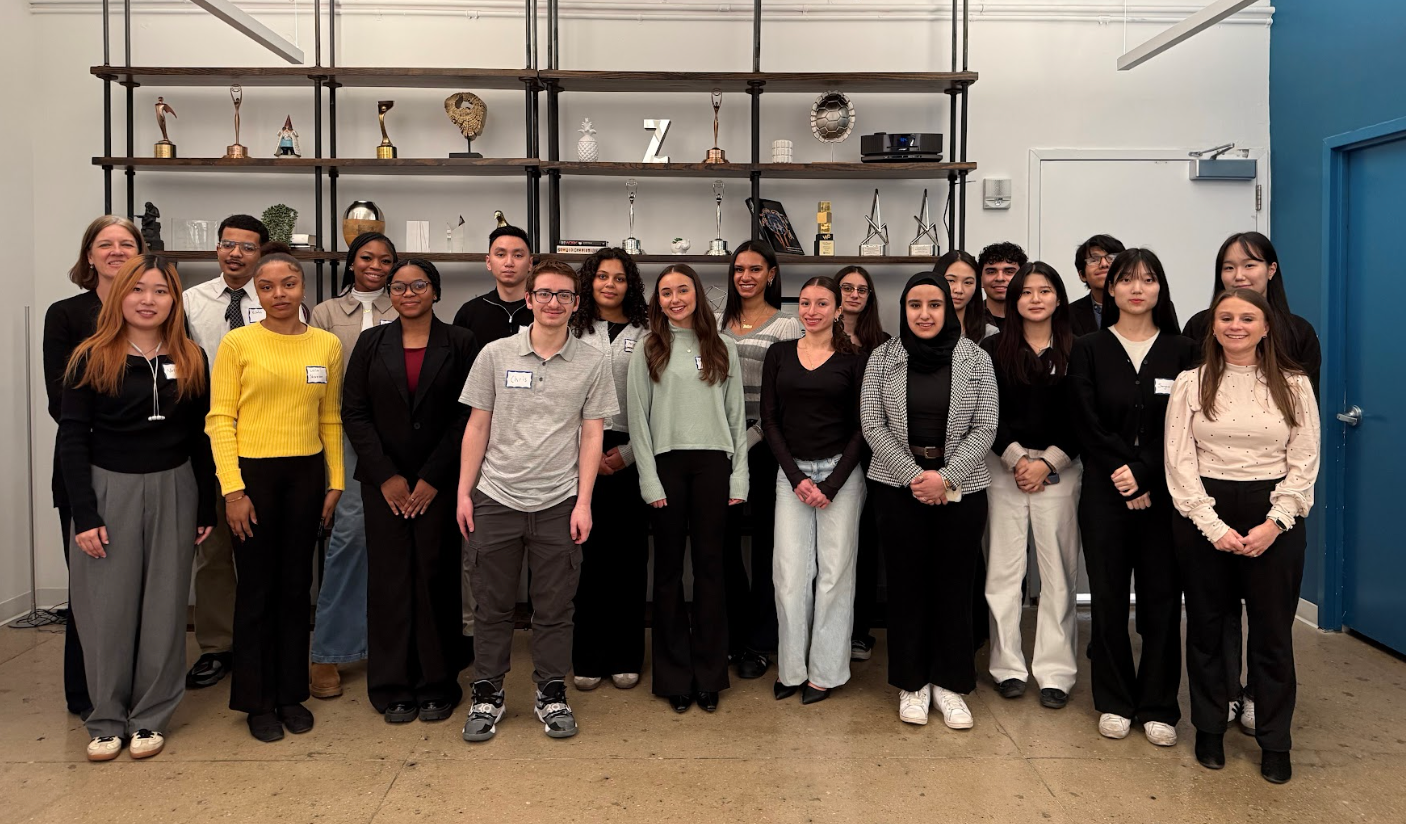
That disconnect is what the Leadership in Marketing Cohort with the University at Albany set out to address. Now in its second year, the program, developed in partnership with Situation Project and Situation Group, focuses on giving students direct access to industry professionals and the tools they need to approach the job search with clarity and confidence.
Inside the Leadership Cohort
Over the course of a semester, 25 students participate in a series of three workshops designed to build both skill and perspective. The sessions focus on transferable skills, portfolio development—including resumes, cover letters, and interview techniques—and broader workforce preparedness.
The structure is intentionally practical. Students don’t just hear advice; they apply it in real time. They revise resumes with direct feedback, practice interview responses, and engage in conversations that demystify what can often feel like an opaque hiring process.
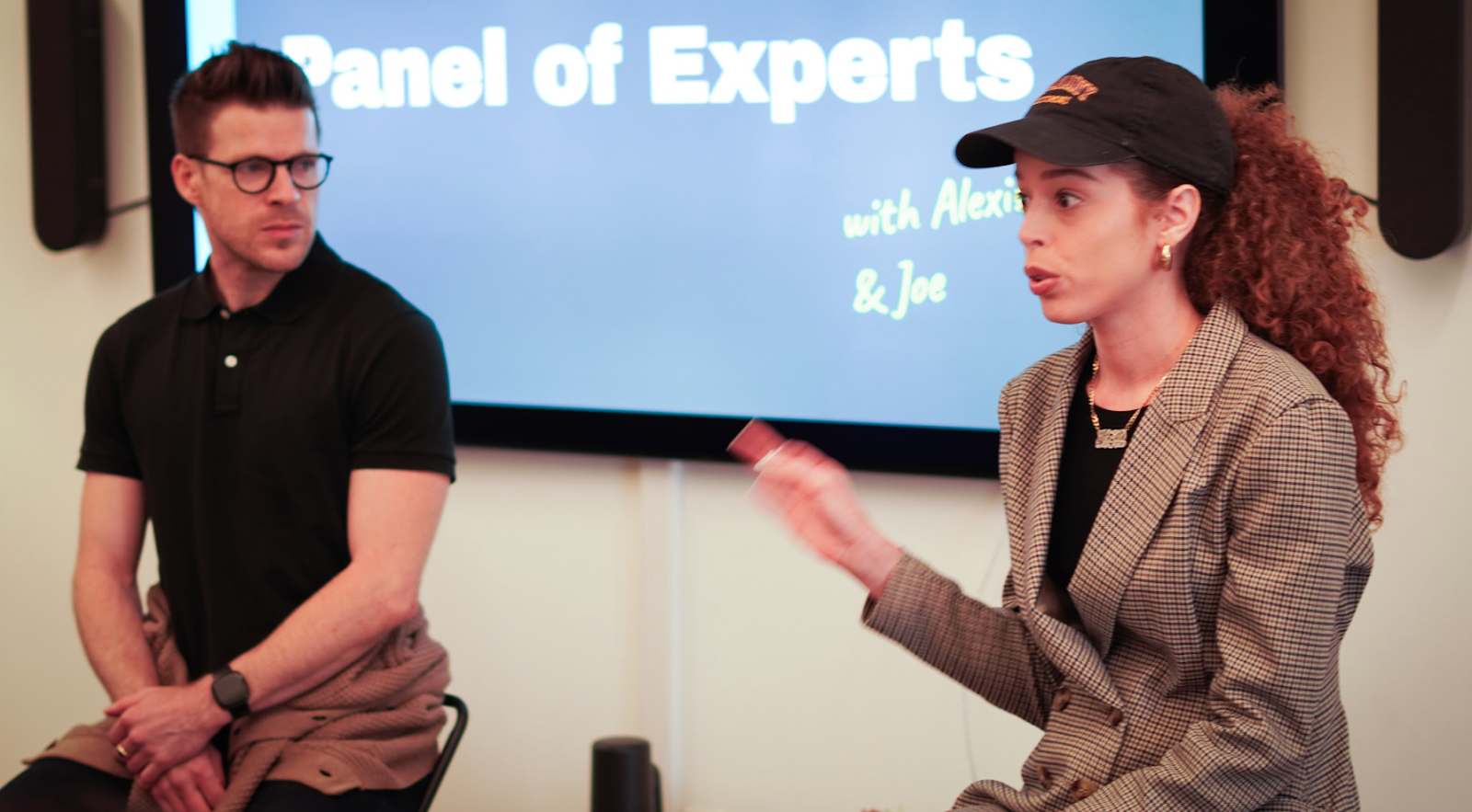
One of the most impactful moments this season came during a panel of Situation Group staff, where professionals across roles shared their own entry points into the industry. The discussion moved beyond titles and into lived experience—how careers evolve, how setbacks shape direction, and how persistence often matters as much as preparation.
“I remember how challenging everything feels when you're starting your job search,” said one staff participant. “If we can create opportunities for the next employees to go through that process with more ease, I'm here for it.”
That sense of proximity—of hearing directly from people who were recently in similar positions—shifted the tone of the room. The path forward felt less theoretical and more navigable.
Students Naming What They Need
For a University at Albany senior, the workshop offered something immediately tangible.
“Applying to jobs is challenging, so being able to enhance my documents was something that I was interested in,” they said.
That focus on documents might seem straightforward, but for many students, it’s where uncertainty begins. What should be included? How do you frame limited experience? How do you make your application feel distinct?
In the workshop, those questions were met with specificity. Students received individualized feedback and left with materials that more accurately reflected their skills and experiences.
But just as important is the shift in confidence. The process of articulating their own value, of understanding how their coursework, internships, and extracurriculars connect to real roles, gives students a clearer sense of where they stand—and where they can go.
“Providing the next generation of leaders and creators with insights and tools to readily enter the workforce is imperative,” said Samara Berger, Executive Director of Situation Project. “We're increasing confidence, upskilling talent, and widening their own perspectives of their capabilities.”
That widening of perspective showed up in small but meaningful ways: students asking more pointed questions, inquiring about career paths they hadn’t previously considered, and beginning to see themselves as participants in the industry rather than observers of it.
What Access Really Looks Like
Access to arts and cultural careers isn’t only about exposure to performances or creative work; it also includes access to the pathways that lead behind the scenes—into marketing, production, administration, and leadership roles that shape the field.
Programs like the Leadership in Marketing Cohort highlight a quieter but essential part of that access: preparation. Knowing how to navigate a job search, how to present your experience, and how to connect with professionals are all forms of access that can determine whether a student is able to move from interest to opportunity.
When those tools are unevenly distributed, the field narrows. When they are shared intentionally, it opens.
What’s notable about this cohort is not just the information provided, but the way it’s delivered—through conversation, mentorship, and real-time feedback that centers students as active participants in their own development. The program doesn’t assume a starting point; it meets students where they are and builds from there.
And in doing so, it reframes readiness. It’s not about arriving fully formed. It’s about having the tools to keep moving forward.
Carrying It Forward
As the semester concludes, the students leave with updated resumes, new connections, and a clearer understanding of how to approach the job market. But just as importantly, they leave with a sense of direction that feels grounded in real experience.
In the weeks ahead, many will begin applying for internships and full-time roles, carrying with them the conversations, feedback, and insights from the cohort. The questions that once felt overwhelming have become more specific, more manageable.
Back in that conference room, the notebook that started out mostly blank is now filled with notes—phrases to remember, advice to revisit, ideas to build on. It’s not a finished map, but it’s a starting point.
And for students stepping into an uncertain job market, that can make all the difference.
To learn more about Situation Project’s college readiness programs, visit https://www.situationproject.org/collegereadiness.
Inspired was created by Situation Project 501(c)3.