
Music Without Overwhelm
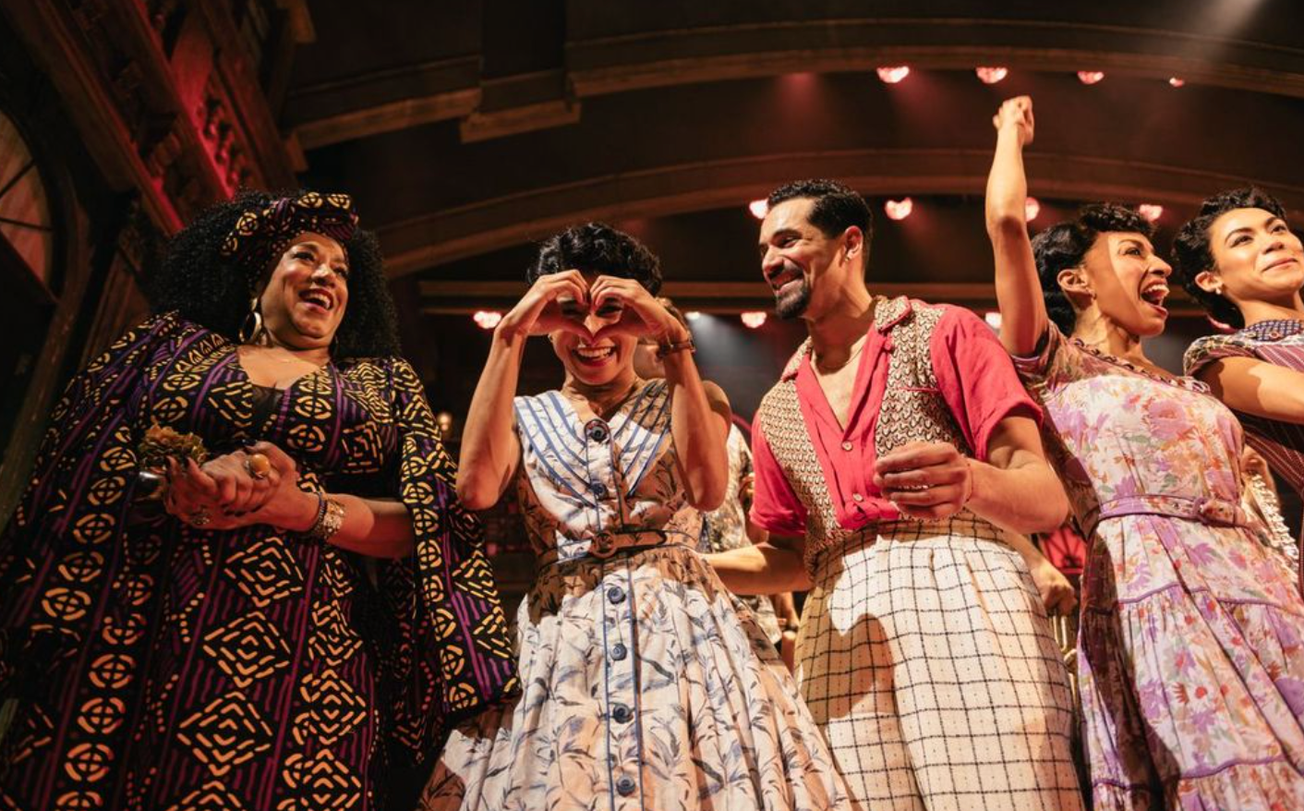
In the middle of a Sunday afternoon, the theater holds a big ball of energy. Some audience members sit, others shift in their seats. A few stand along the aisle. One family steps out briefly, then returns a few minutes later, settling back in without hesitation.
On stage, the music continues, rhythmic, layered, alive. The sound is carefully balanced, adjusted in real time so it lands without overwhelming.
Making Space for Different Needs
For many students and families, attending live theatre can come with barriers that aren’t always visible. Sound levels can feel unpredictable. Lighting effects can be disorienting. The expectation to remain seated and quiet for the duration of a performance can add pressure rather than enjoyment.
These are not small obstacles. They shape who feels comfortable entering a theater and who stays away.
TDF’s (Theatre Development Fund) Autism-friendly performances (AFP) are designed to address those barriers directly. Since launching in 2011, the program has expanded into a full season of productions each year, creating a consistent space where audiences with autism, sensory sensitivities, and other accessibility needs can experience live performance in a way that supports them.
The adaptation is both structural and cultural. Adjustments are made to sound and lighting, but just as importantly, expectations shift. Audience members are free to move, to respond, to take breaks and return. The experience is built around flexibility rather than restriction.
Reimagining a Sunday Matinee
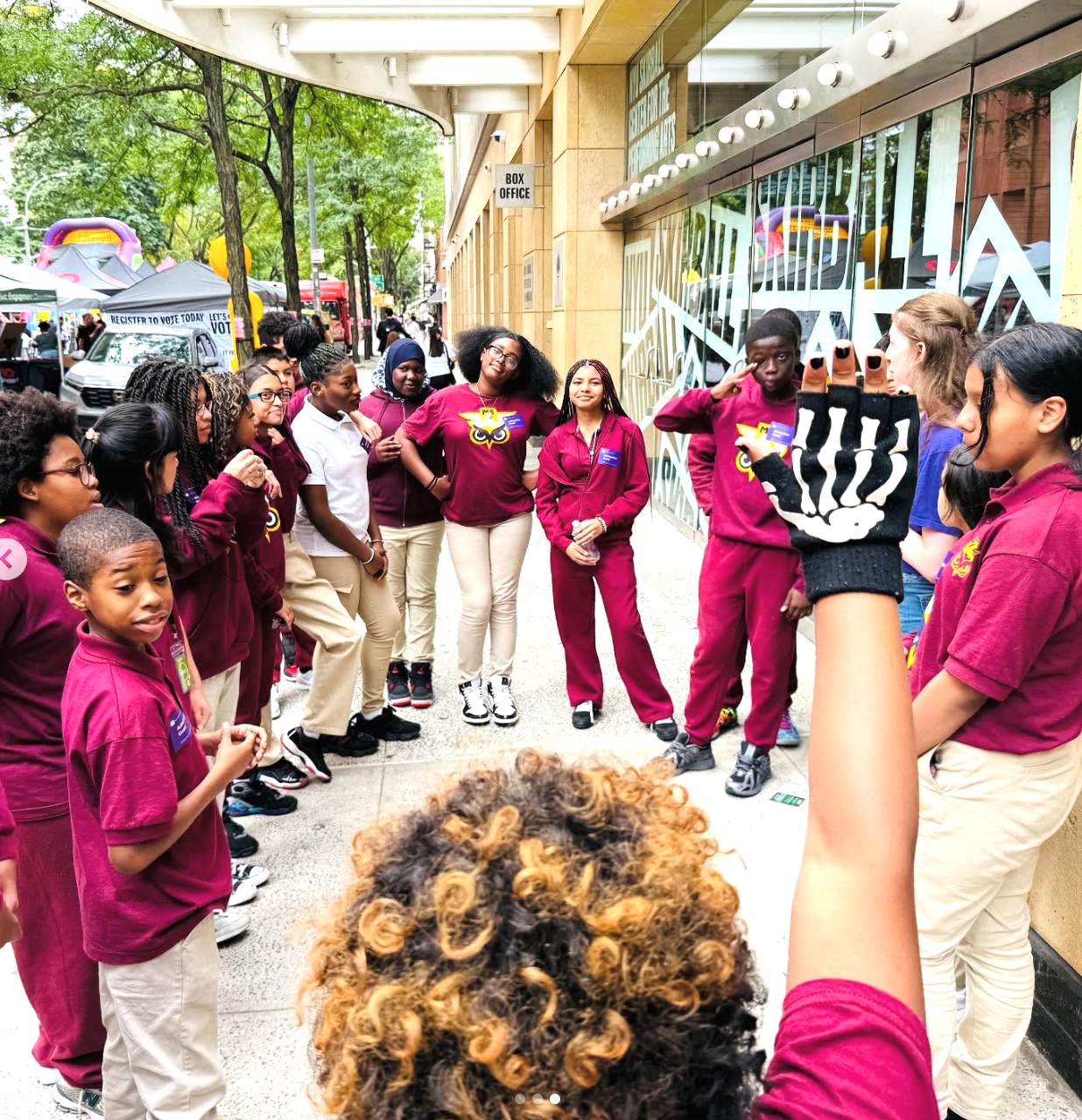
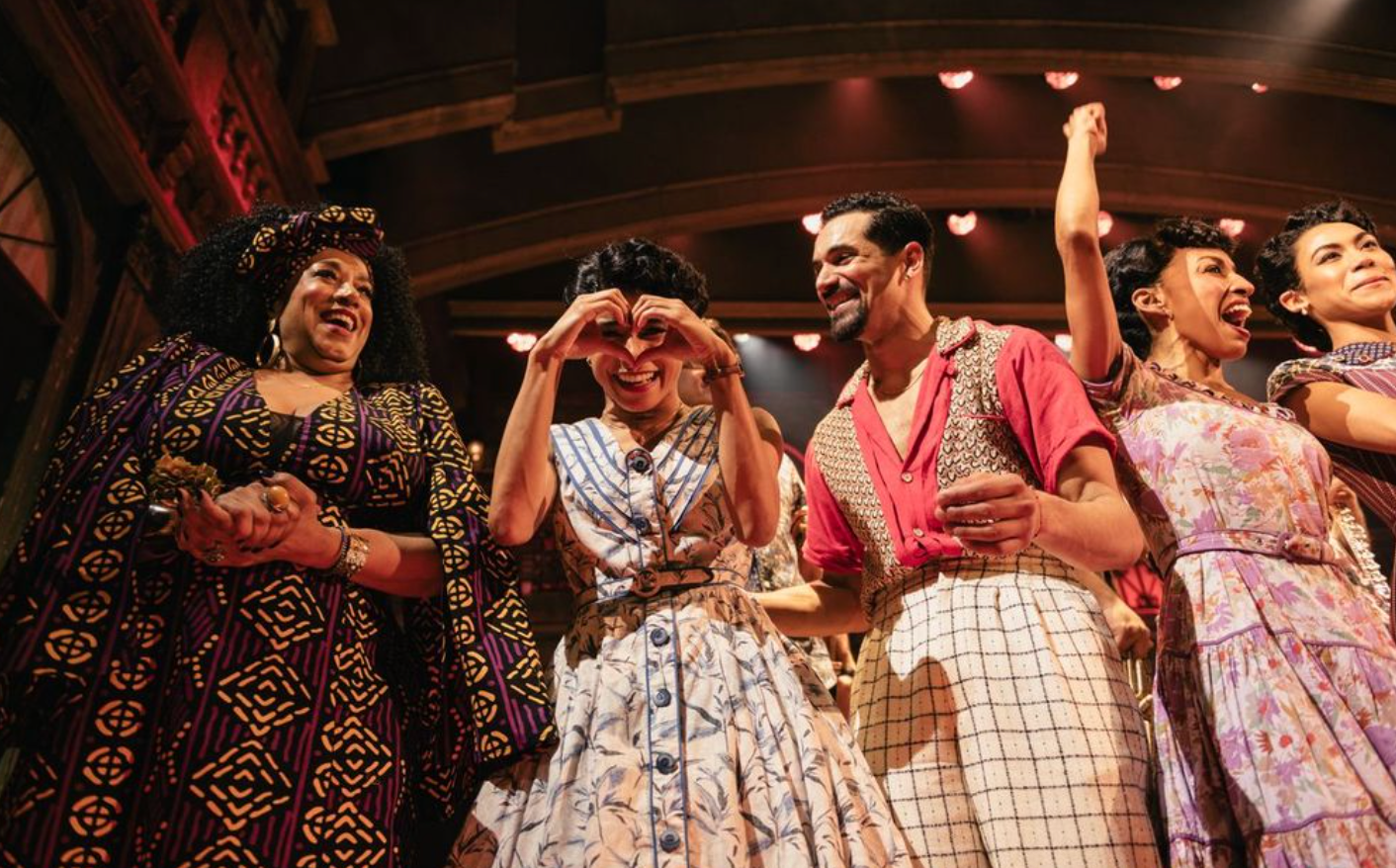
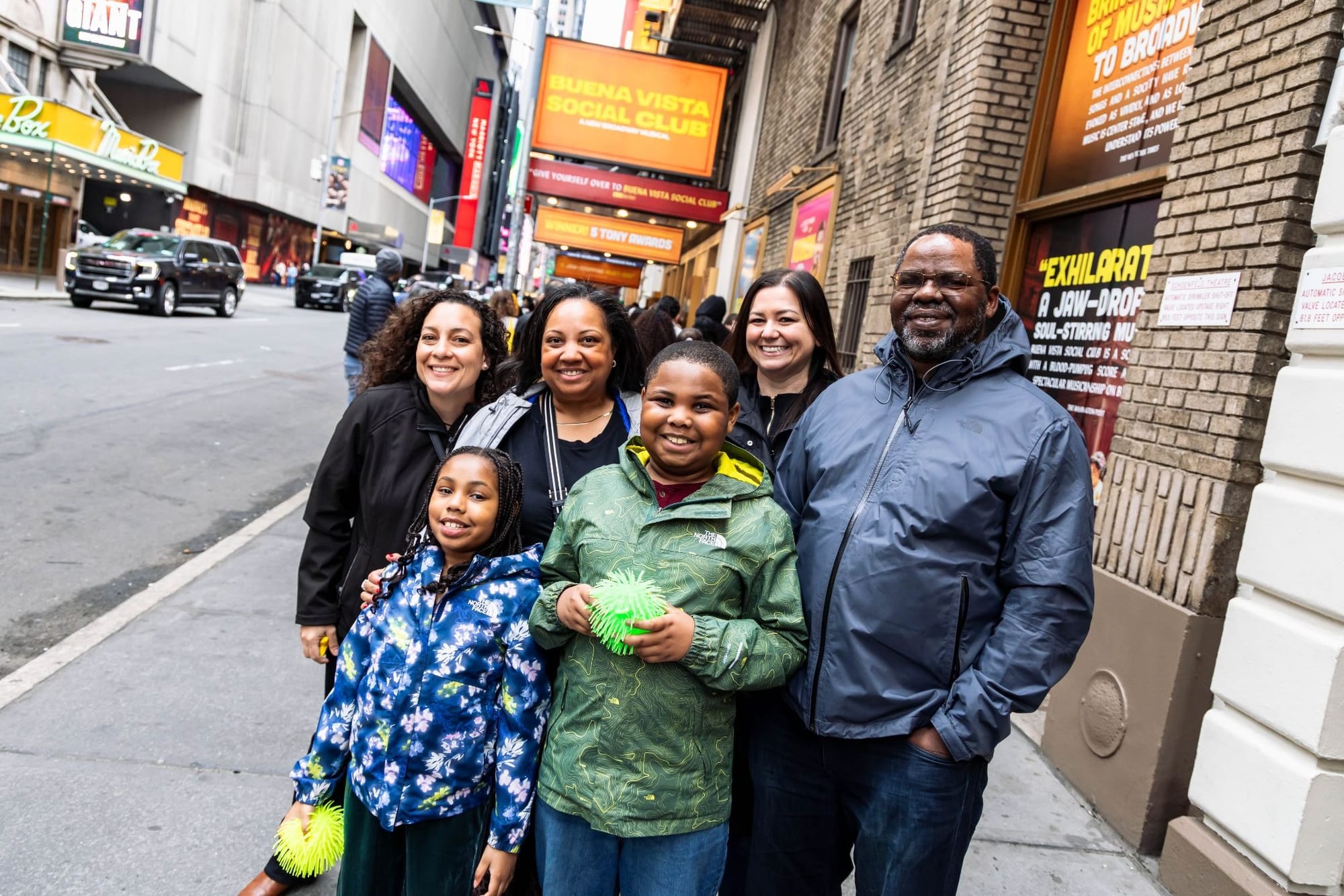
This spring, Buena Vista Social Club joined that effort with an autism-friendly performance as part of its Matinee Mission program. The TDF event welcomed students and families to the Gerald Schoenfeld Theatre for a version of the show designed with accessibility in mind.
Preparation for the performance began well before the audience arrived.
“Understanding the needs of this audience was foremost,” said Arabella Powell, Production Stage Manager for Buena Vista Social Club. “The folks at TDF saw our show (and loved it!) and then were really clear and caring about advocating for those needs to be met.”
Many of the adjustments centered on sound. “Most of the adjustments are sonic so Timothy Jarrell, our mixer, will be listening throughout to make sure the mix stays within their guidelines,” Powell explained. “The individual players will also make adjustments to keep the thrill of the music without it being overwhelming.”
Lighting was also reconsidered. Powell pointed to small but intentional changes, including reducing glare from instruments and adjusting follow spot levels to prevent harsh brightness reaching the audience.
At the front of house, the approach shifted as well. Staff were prepared not just to welcome, but to support. Helping families navigate the space, offering flexibility, and reinforcing that this was a different kind of theater experience.
“For the cast, it's always about giving the audience the best experience,” Powell said. “The TDF Autism Friendly Performance is going to amplify that. How can we welcome everyone into our story, telling it with the specificity and authenticity it demands at the same time as making it as accessible as possible. It's a challenge we cannot wait to meet.”
A Different Kind of Audience Response
The audience gathered that afternoon is part of a broader, growing community.
“The individuals and families in the audience for Buena Vista Social Club are part of a large network that TDF has been curating over the past 13 seasons,” said Ginger Bartkoski Meagher, Vice President of Programs at TDF. “What began as one show at The Lion King has now grown to a nine show season, serving over 11,000 individuals with tickets, and growing.”
That network includes partnerships with the New York City Department of Education, District 75, and community organizations that help connect students and families to these opportunities.
Inside the theater, the response reflects both familiarity and freedom.
“AFP audiences respond with the same joy and laughter, tears and emotions as a non AFP crowd,” Meagher said. “And we also accommodate for any noises that might result from stimming, excitement, delayed laughter or emotion and enthusiasm.”
That accommodation is intentional. Audience members are invited to leave and return as needed, to access quiet spaces, or to engage more actively, including dancing, when the moment calls for it.
“It’s always authentic, honest, and stigma free,” Meagher added. “Any and all audiences deserve to see theatre in a way that supports them and allows them access.”
Beyond a Single Performance
While autism-friendly performances are often scheduled as specific events, the larger goal reaches beyond a single afternoon.
“It’s vital that accessibility is offered at all shows, not as a special event but as an inclusive practice,” Meagher said. She pointed to Buena Vista Social Club as a particularly resonant example, noting how its bilingual storytelling and celebration of culture invite broader connection. “Everyone needs to be able to see themselves on stage in some way, to have their own story or culture echoed back to them, to feel seen.”
That sense of recognition, whether through language, music, or environment, shapes how audiences engage with what they are watching. It shifts the experience from observation to participation.
Partnerships between organizations like TDF and producing teams make that shift possible, but they also point toward a larger question: what would it look like if accessibility were built into every performance from the beginning?
“Accessibility should not be a special performance or one time offer, it’s part and parcel of audience development,” Meagher said. “When we consider the needs of individuals and make accommodations for them, we improve the whole.”
Carrying the Experience Forward
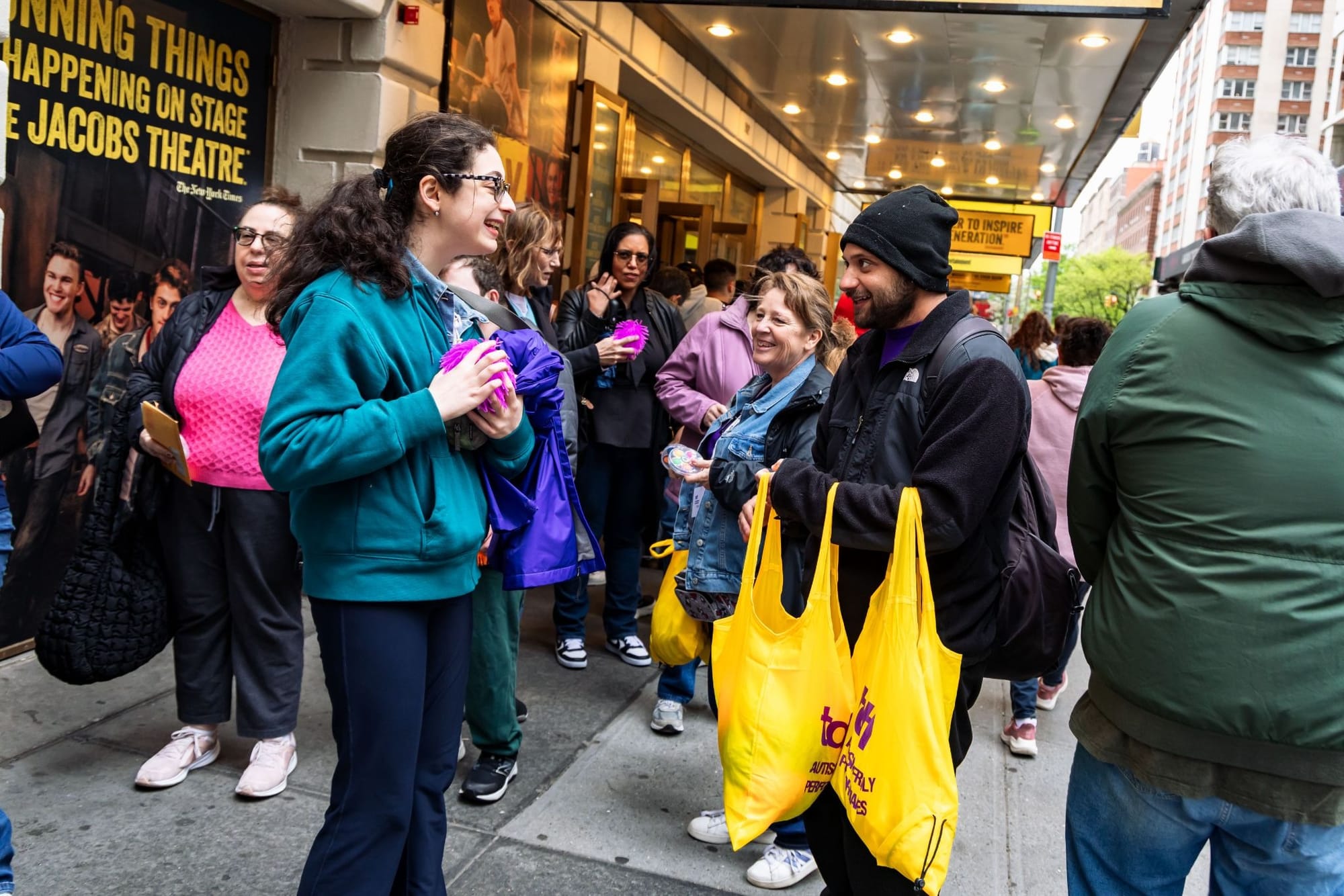
As the performance comes to a close, the applause arrives in waves—some immediate, some a beat later, some expressed through movement rather than sound. The cast bows, taking in a response that feels so full.
The structure of the day may have been different, but the core experience remains: a shared story, told live, received in real time.
For many in the audience, that access, to stay, to leave, to respond, to return, makes the difference between watching from a distance and being part of the room.
And once that door opens, it’s easier to imagine coming back.
To learn more about Buena Vista Social Club, visit https://buenavistamusical.com/learn-more/.
To learn more about TDF’s Autism Friendly Performances, visit https://www.tdf.org/accessibility-services/tdf-autism-friendly-performances/.
Inspired was created by Situation Project 501(c)3.