
Where Rubble Turned into Shared Ground
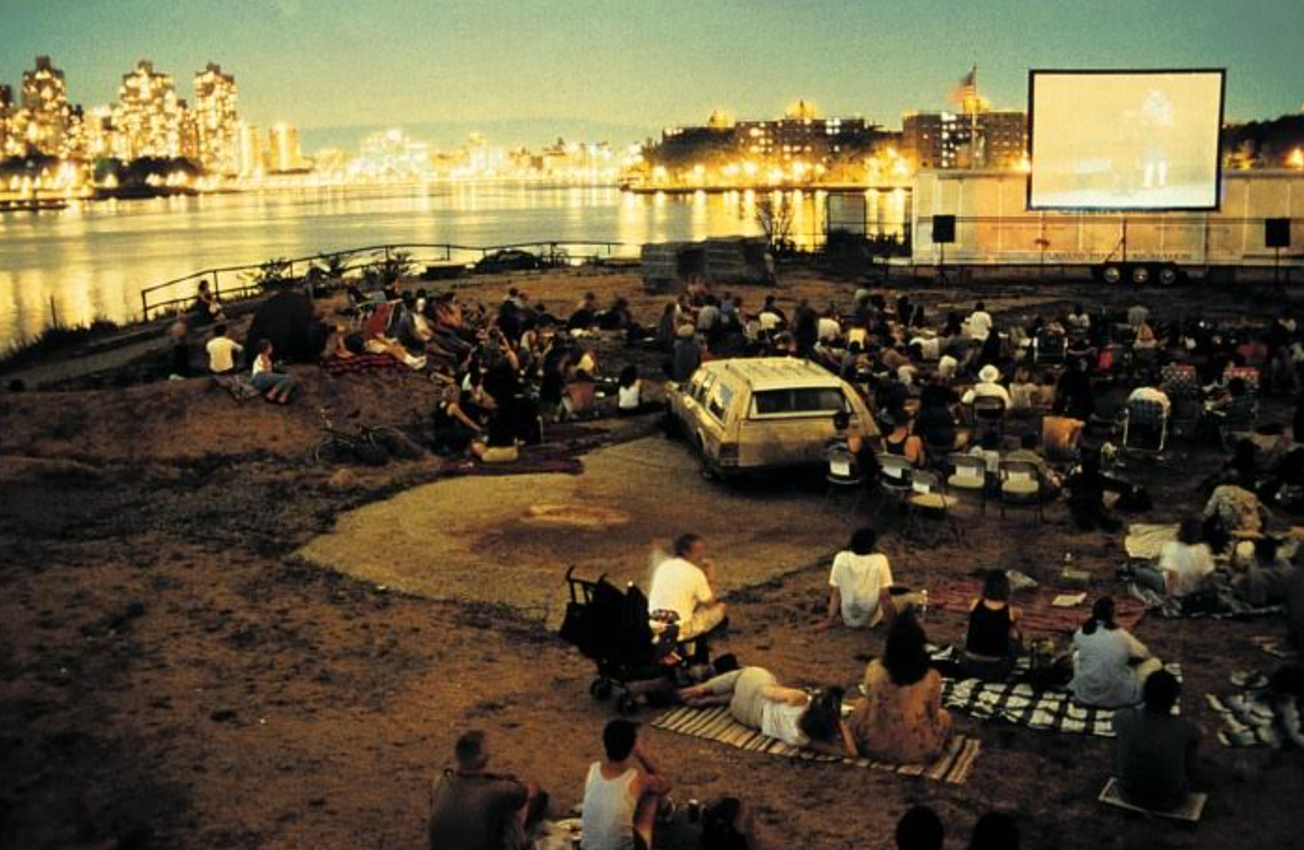
Before the screen lit up for the return of Outdoor Cinema this season, the lawn at Socrates Sculpture Park was already alive with motion. Blankets unrolled across the grass, families unpacked dinner, and neighbors greeted one another as the sky over the East River softened into twilight. Before Meriem Bennani’s film Bouchra began, the crowd sat on ground that four decades ago was a neglected dumpsite.
In 1986, in collaboration with artist Mark di Suvero, local artists and Astoria residents picked up shovels, cleared away piles of rubble, and declared that an abandoned piece of waterfront would belong to the public. That radical act of neighborhood reclamation established a culture of collective action, resourcefulness, and creative risk that still defines the space today. Forty years later, as the Park marks its milestone anniversary, that founding spirit remains unchanged.
Preserving Open Access on a Changing Waterfront
In a city where physical land is scarce and cultural spaces face constant real estate pressure, maintaining free public access to the arts is a persistent challenge. As Astoria undergoes rapid development, rising costs and shifting neighborhood demographics can easily isolate longtime residents from the cultural life of their own community. Traditional museums and galleries can also carry intimidating thresholds, leaving many young people and families feeling like contemporary art is meant for someone else.
Socrates Sculpture Park addresses those barriers directly by remaining free and open 365 days a year. Because the art exists outdoors alongside children playing, dogs walking, and trees shifting in the wind, visitors encounter large-scale contemporary work naturally in their daily lives. By operating without admission fees or physical gates, the five-acre institution ensures that neighborhood history, artistic expression, and environmental stewardship remain accessible to all New Yorkers.
Supporting Artists and Expanding the Public Lawn
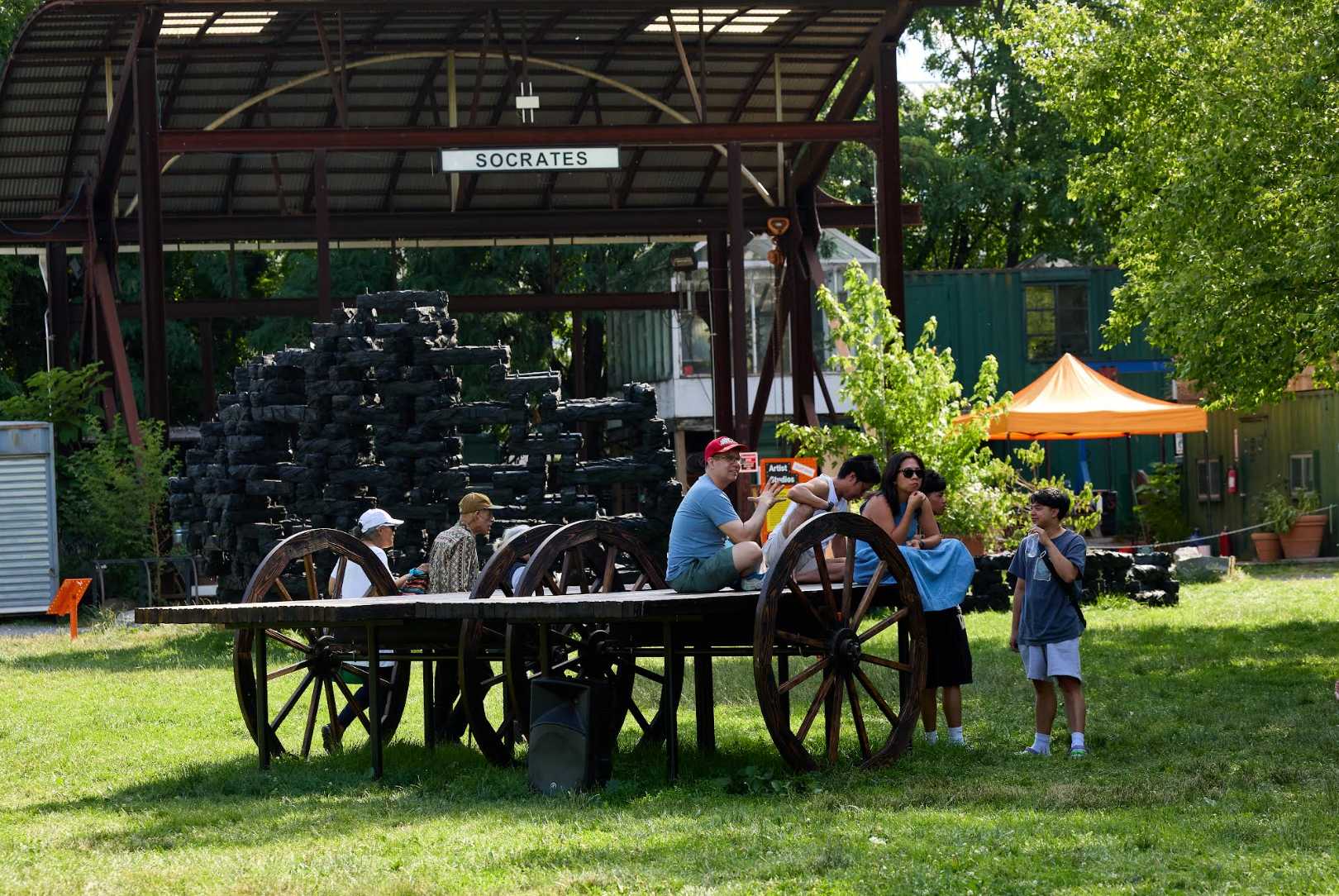
To support both the creators and the community, Socrates functions as an active outdoor studio rather than a static display ground. The organization works alongside artists through every step of fabrication, installation, and engineering required to present work out in the elements. Through its annual Fellowship program, participating artists receive production grants, honorariums, and hands-on technical guidance to bring ambitious ideas to life.
Beyond individual installations, the park is expanding its physical footprint and public offerings. Its new waterfront green space, named The Point, is in development alongside NYC Park’s shoreline reconstruction project to protect the land against future storms while creating fresh areas for gathering. The return of the Outdoor Cinema series—a neighborhood staple established in 1998—serves as a primary example of this community focus. Each screening is curated around live performance, food, and music that reflect the deep cultural diversity of Queens.
Youth as Stewards and Creative Collaborators
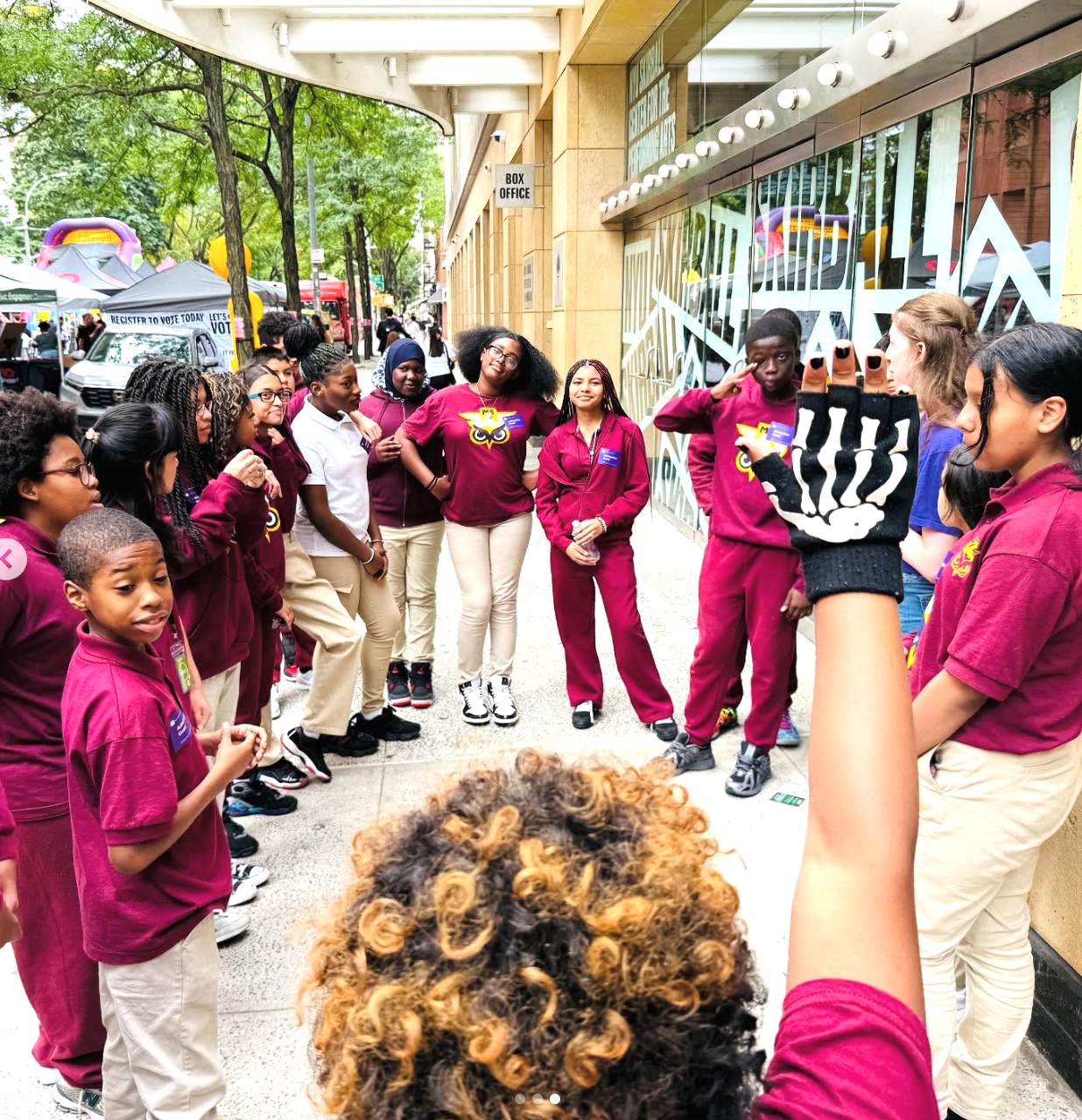
Through hands-on educational initiatives like Socrateens, local youth step directly into the creative process alongside professional artists. Rather than observing from a distance, students explore the intersection of contemporary art, environmental justice, and public space, learning firsthand that creative work requires testing ideas, adapting to challenges, and embracing experimentation.
"Through our workshops and youth programs, students develop creative confidence, curiosity, collaboration, and a stronger connection to the natural and built environment around them," Deputy Director, Jonathan Gardenhire shares. "Working in a public park also asks young people to consider place, community, and responsibility. They begin to see how art can shape a neighborhood, surface stories that might otherwise be overlooked, and help communities imagine different futures. We want them to leave seeing themselves not only as students, but as artists, stewards, and contributors to public life."
Sustaining the Spirit of Experimentation for the Next Forty Years
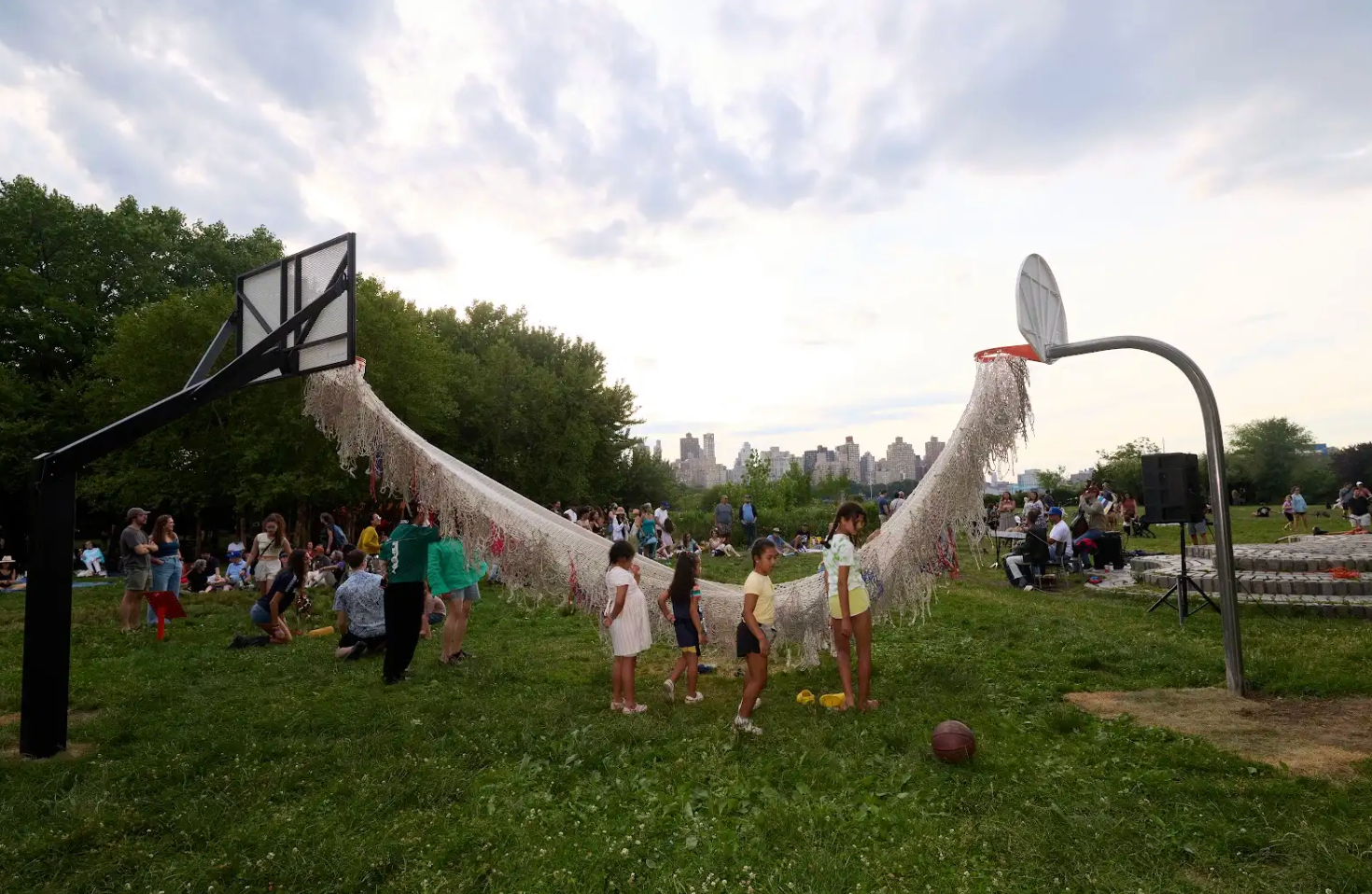
Welcoming more than 200,000 visitors annually, Socrates Sculpture Park demonstrates that art gains power when it is integrated into the rhythm of everyday public life. Depth of engagement remains as crucial as overall attendance. A student assisting a sculptor in the outdoor studio, a teenager debating an installation’s meaning, or a family sharing space on the lawn during a festival, all represent meaningful connections that strengthen community bonds.
As Socrates enters its next chapter, its leaders and neighbors remain focused on keeping the Park welcoming, responsive, and willing to take risks. By combining ecological restoration, deeper artist investments, and community-led programming, the Park ensures that the waterfront will remain a place where creative possibilities can take root for generations to come.
________________________________________________________
To learn more about Socrates Sculpture Park and its 40th anniversary programming, visit socratessculpturepark.org.