
Warm Welcomes, Fresh Ideas, and Real Seats at the Table
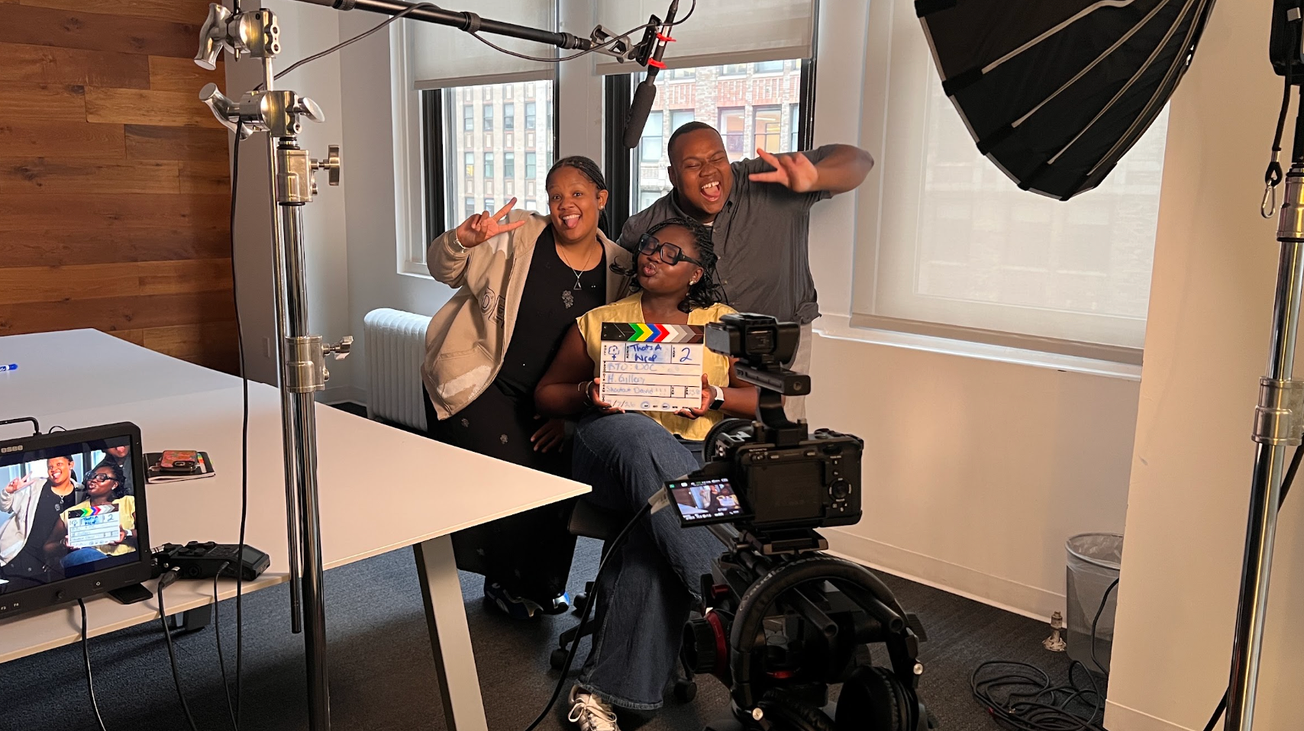
On her first day walking into the Situation Group offices in Midtown Manhattan, Ava Cole was greeted with an office-wide introduction, a room full of encouraging faces, and warm cookies freshly delivered to her desk. For the Boston University sophomore, who grew up navigating theater in predominantly white spaces, the atmosphere immediately signaled that this summer would be defined by openness rather than gatekeeping.
Meanwhile, Hannah Gillery, a student at Morgan State University, was navigating New York City for the very first time. Step by step, she found an environment where industry veterans sat down to answer questions and demystify the complex machinery of Broadway marketing. For fellow intern William Shields, the moment of clarity came during week one when he realized he wasn't just observing strategy from the periphery. He was sitting directly at the table, listening in as active campaigns were crafted in real time.
Breaking Down Barriers Behind the Commercial Stage
The commercial theater industry has historically faced significant equity gaps, particularly in the off-stage sectors that dictate how stories are funded, marketed, and produced. While representation on stage has seen gradual progress, administrative, advertising, and technical leadership roles have remained predominantly white. Navigating these professional networks can feel like trying to enter a closed room without a key, leaving emerging underrepresented talent without clear entry points.
Founded by 19 founding members, including legendary artists Vanessa Williams and Norm Lewis, Black Theatre United (BTU) was established to dismantle these historical barriers. Through its summer internship program, BTU pairs rising talent with leading theater companies, advertising agencies, and marketing firms across the Broadway ecosystem. By removing financial barriers through paid placements and providing direct exposure to industry leaders, the program creates accessible, structured pathways for the next generation of theater executives and creators.
From Original Documentaries to Full Marketing Campaigns
Throughout the intensive program, interns are integrated directly into agency departments, taking on genuine responsibility across marketing, media, and creative strategy. Rather than completing simulated tasks, participants execute tangible deliverables that utilize full agency resources.
Hannah directed, shot, and edited her first documentary, titled Behind The Curtain: A New Generation Takes the Stage, working directly alongside Situation’s Senior Video Director David Holmes. William applied audience positioning, media planning, and creative direction principles to build a comprehensive marketing pitch for an original musical he has been writing for several years. Ava authored a full live-event pitch, leaning on department specialists across the agency to refine her strategy.
"Our interns infuse a level of curiosity and enthusiasm that ignites our staff for the whole summer season," says Samara Berger, Director of Impact at Situation Group. "Their energy and talent are integrated into our community at exactly the right time. All in all, they’re fabulous."
Mentorship, Cohort Connections, and Realized Ownership
The impact of the program lives in the daily conversations between rising talent and seasoned professionals. For William, a pivotal moment occurred during a brunch with his assigned BTU mentor, Norm Lewis.
"We talked about our journeys in the arts, and I shared my original projects with him," William shares. "Having an artist I admire genuinely listen to my goals and encourage my work reminded me how powerful mentorship can be."
That sense of validation extended directly into project collaboration. "Working in a public park or office asks you to consider place and responsibility," William notes regarding collaborative strategy. "It was incredibly validating to know that even as an intern, my ideas were worth hearing. Working directly with different teams taught me that collaboration isn’t about having the loudest voice in the room, it’s about bringing your perspective, listening to others, and being willing to let an idea grow through the people around you."
For Hannah, having supportive advocates made all the difference during production. "I think being a part of this program showed me that anyone can literally do anything," she says. "With my documentary, I was in a space where people supported my love for storytelling and encouraged me to make the story. They didn't shoot me down or make me feel less than. This shows that there are genuine people within the industry who do care about the success of the next generation of artists."
Ava found that taking risks in group discussions helped her build lasting professional self-assurance. "It was at first nerve-wracking as this was my first internship experience," Ava explains. "However, as I became more comfortable, I gained more confidence as I realized that these professionals cared about what I had to say and think. I walked away knowing that what I say has value and can always add to a discussion."
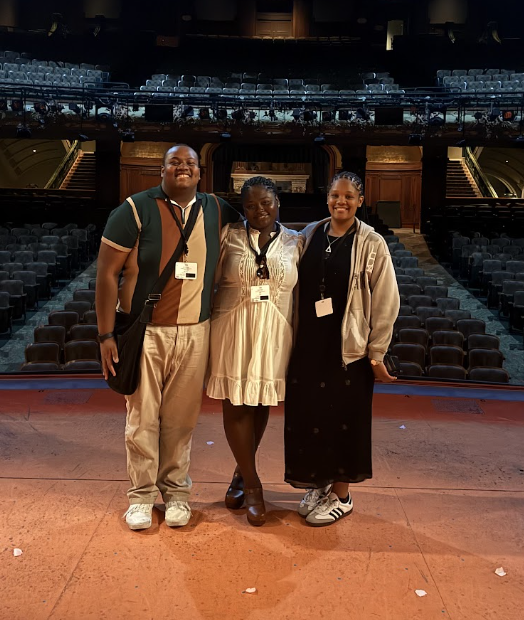
A visit to Lincoln Center reinforced the long-term value of the cohort itself. "When we visited Lincoln Center, their summer intern, Roman Munichiello, told us to utilize our cohort because it is a gift to be given a group of people your age who have similar career aspirations as you," Ava recalls. "It gives me hope. Growing up doing theatre in predominantly white institutions made my future in the theatre seem pretty bleak at times. But this program showed me that Black creatives exist and I can find them, especially now being a part of this wonderful organization."
Carrying Perspective into the Next Chapter
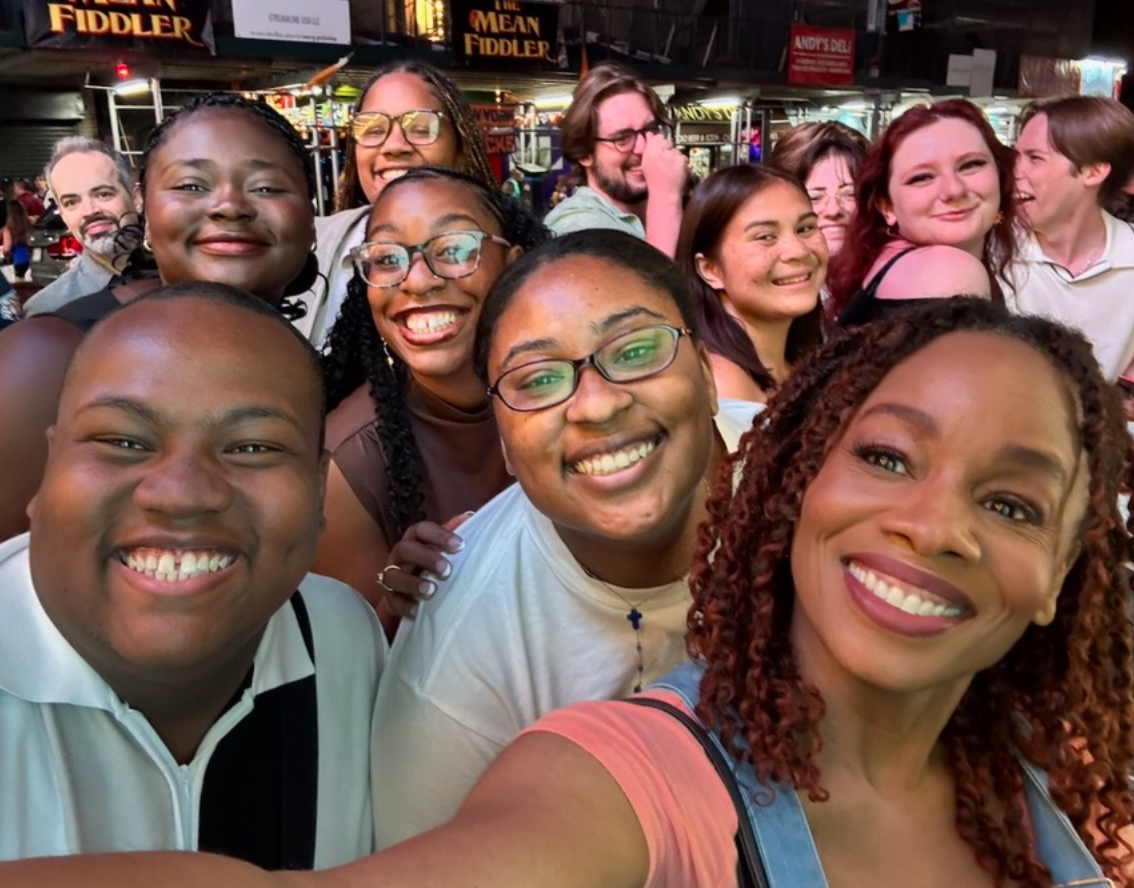
As the autumn semester begins, William, Hannah, and Ava return to their university campuses carrying concrete insights that reshape how they view their future in commercial entertainment.
"The biggest lesson I’m carrying with me is that creating the work is only part of the journey, you also have to understand how to communicate why that work matters and who it is for," William reflects. "As I continue studying theatre and developing my own projects, I’m thinking much more intentionally about the relationship between artist, story, audience, and community."
Hannah points to practical curiosity as her primary takeaway: "One key insight I am taking is if I don't know something or am curious about something, find someone who knows it and ask. Learning new information is essential in my field, and being able to absorb that from industry professionals is so important."
For Ava, the summer reinforced the human element at the center of the industry. "You can always make a connection," she says. "Yes, of course professionally, but even in my personal life, I am realizing there is no reason to not make a friend whenever possible."
Equipped with industry knowledge, professional networks, and demonstrated creative agency, these emerging leaders are step by step reshaping the landscape of American theater from the inside out.
To learn more about Black Theatre United and its internship program, visit blacktheatreunited.com.