A Camcorder, a Mentor, and an Open Room
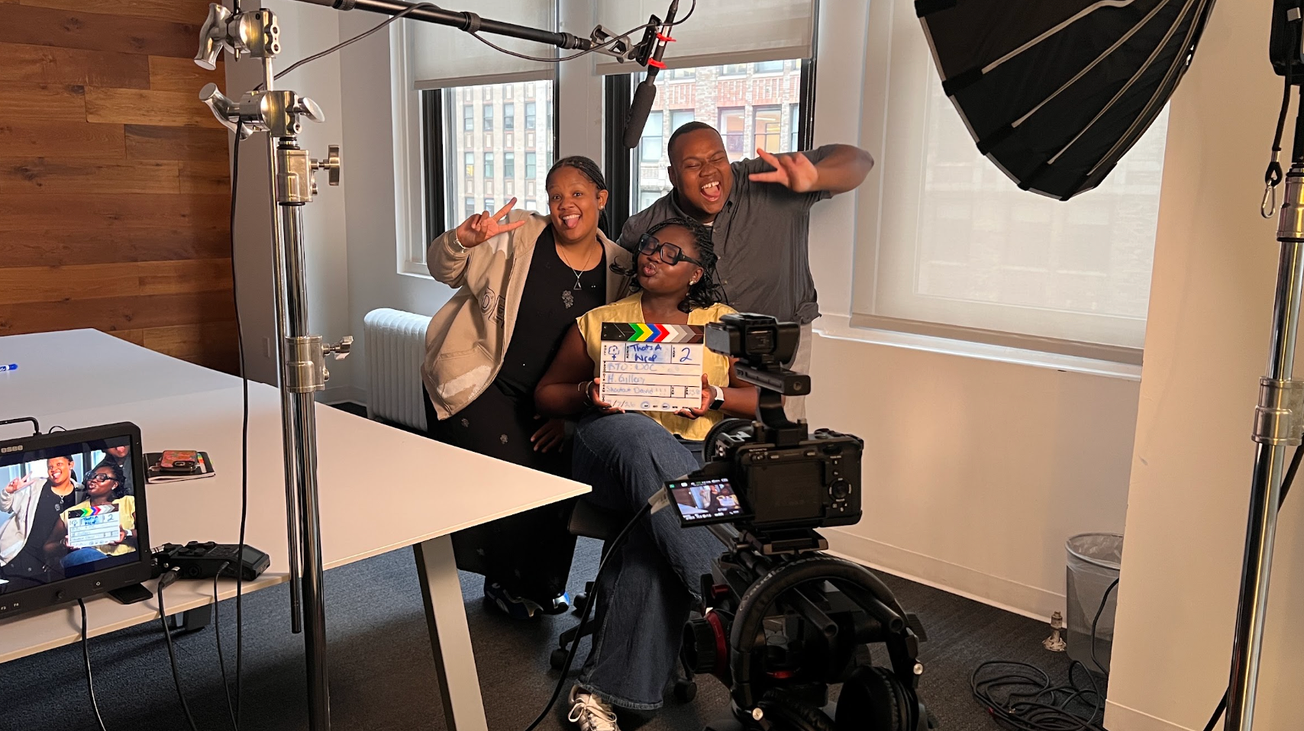
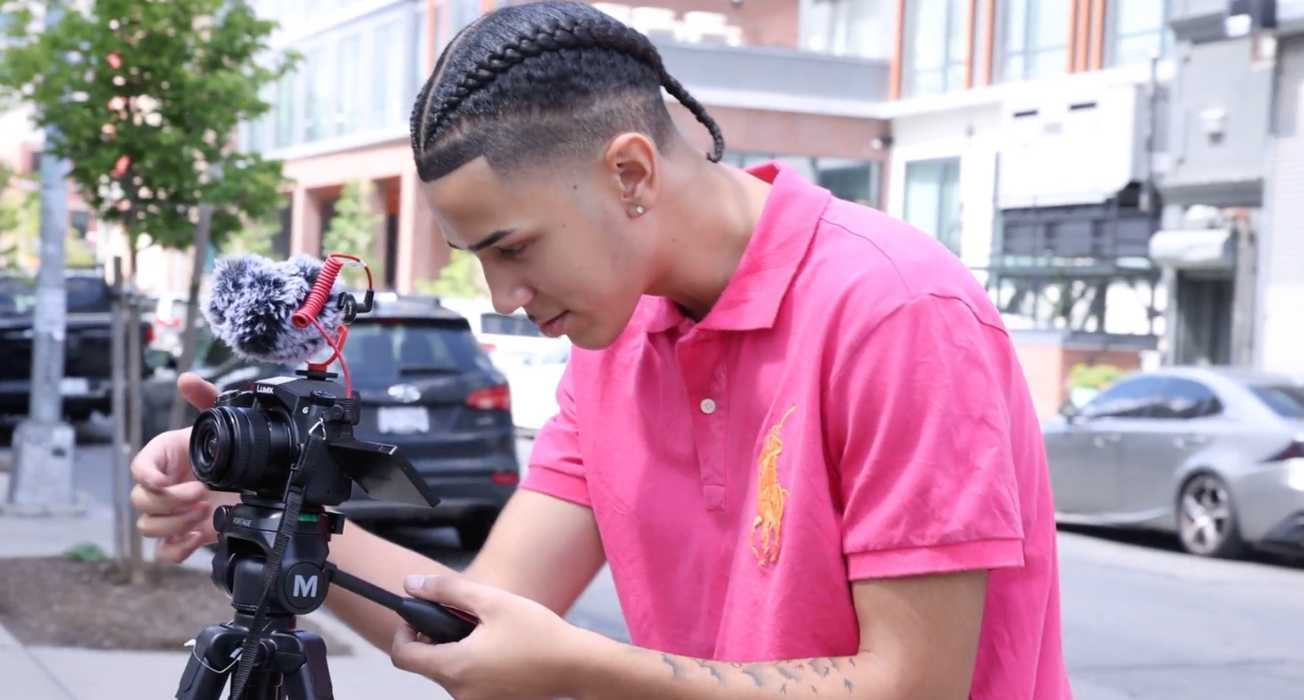
When Bernard Smith walked into the Reel Works workshop for the first time in the fall of 2007, his entire filmmaking experience consisted of borrowing his mother’s home camcorder. Stepping into the studio space, he found himself surrounded by heavy-duty tripods, boom microphones, and editing suites loaded with software he had only ever read about.
"When I was a young boy, film sounded like something reserved for people with money," Bernard recalls. "When I walked into Reel Works and saw the tripods, the microphones, and the computers with editing software, I felt starstruck. I felt like I'd been invited into something really special, a program for young people like me who had never had that experience."
That feeling of entering a space built specifically for your voice is the engine behind Reel Works. Founded in 2001 in the basement of the Prospect Park YMCA, the organization began when television producers John Williams and Stephanie Walter led a workshop teaching local teens to shoot a documentary about retired Merchant Mariners. When HBO stepped forward to sponsor the initiative in 2003, expanding the cohort from six to a dozen students, the founders faced a practical dilemma – how to provide individual artistic care to so many young creators at once. Their solution was simple. They called working filmmaker friends and paired them one-to-one with each student.
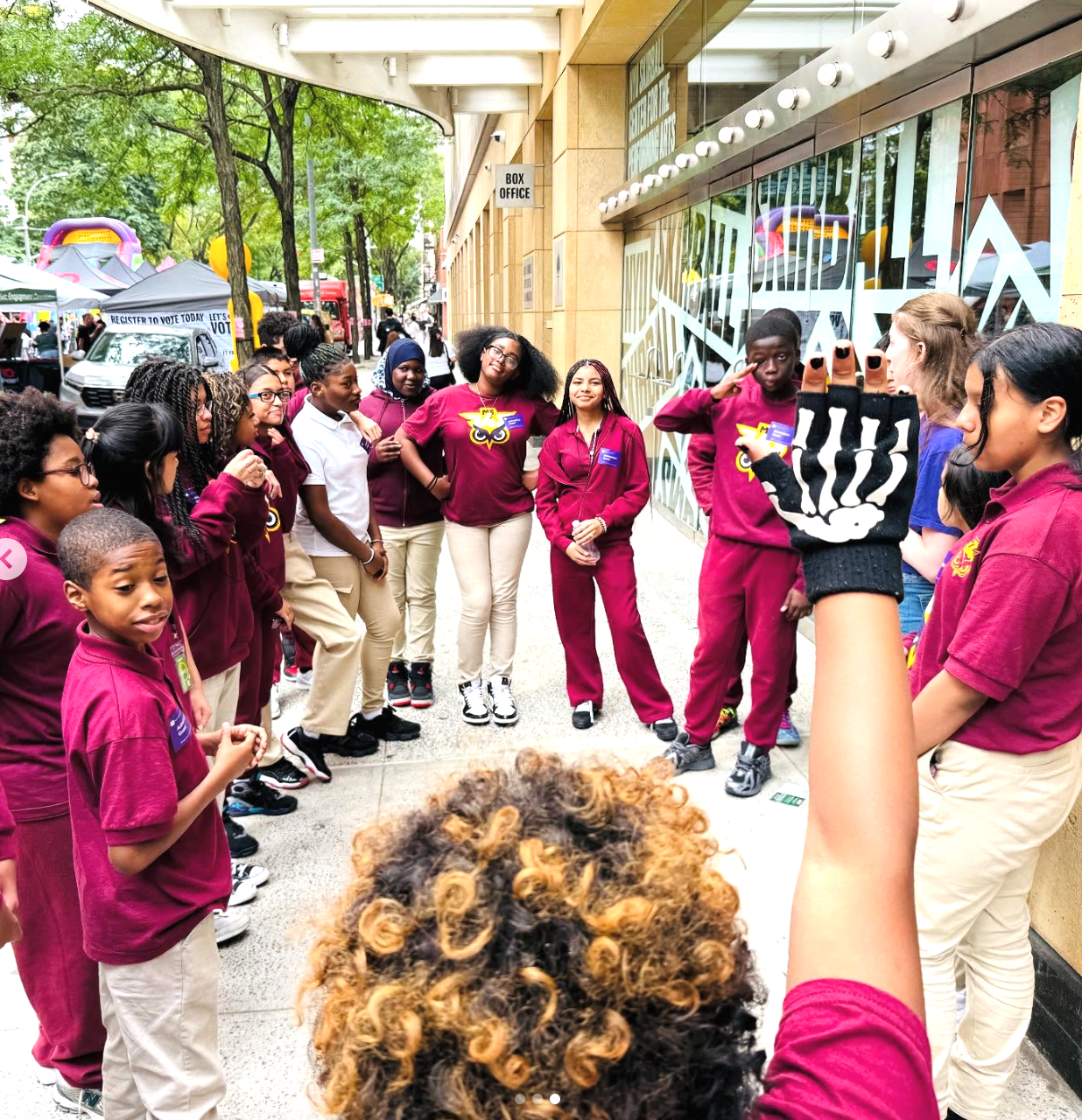
Twenty-five years later, that accidental breakthrough remains the organization's cornerstone. Today, Reel Works serves more than 1,800 young New Yorkers annually across its Brooklyn studio and in more than 20 public schools. As the organization marks a quarter-century of youth media and prepares for the Reel Works Film Festival at the SVA Theatre on Sunday, November 22, its model proves that when emerging artists are trusted with resources, professional guidance, and narrative authority, the work they create holds up on any screen.
Demystifying an Industry Guarded by Expense and Access
Film and television production is among the most gatekept industries in the world. The barriers begin with equipment costs, cameras, lighting packages, microphones, and post-production software licenses run well beyond the reach of average public school classrooms and working families. Traditional pipelines into film sets rely on unpaid apprenticeships, personal networks, and multi-generational connections that favor people with inherited access.
For young artists from underrepresented backgrounds, including working-class youth, BIPOC, LGBTQIA+, and neurodivergent storytellers, the commercial film landscape can feel impenetrable. Even when students possess the creative instinct to tell critical community stories, navigating pre-production, budgeting, and crew coordination without structured guidance presents an immense hurdle.
Reel Works treats arts access as a matter of creative equity. Rather than offering superficial introductions to video tools, the program provides free access to high-end equipment, technical instruction, and personal industry champions. By meeting young people where they are and walking with them through every phase of a five- to six-month production cycle, the organization dismantles the myth that professional media is reserved for an elite few.
From First Treatment to Union Credentials
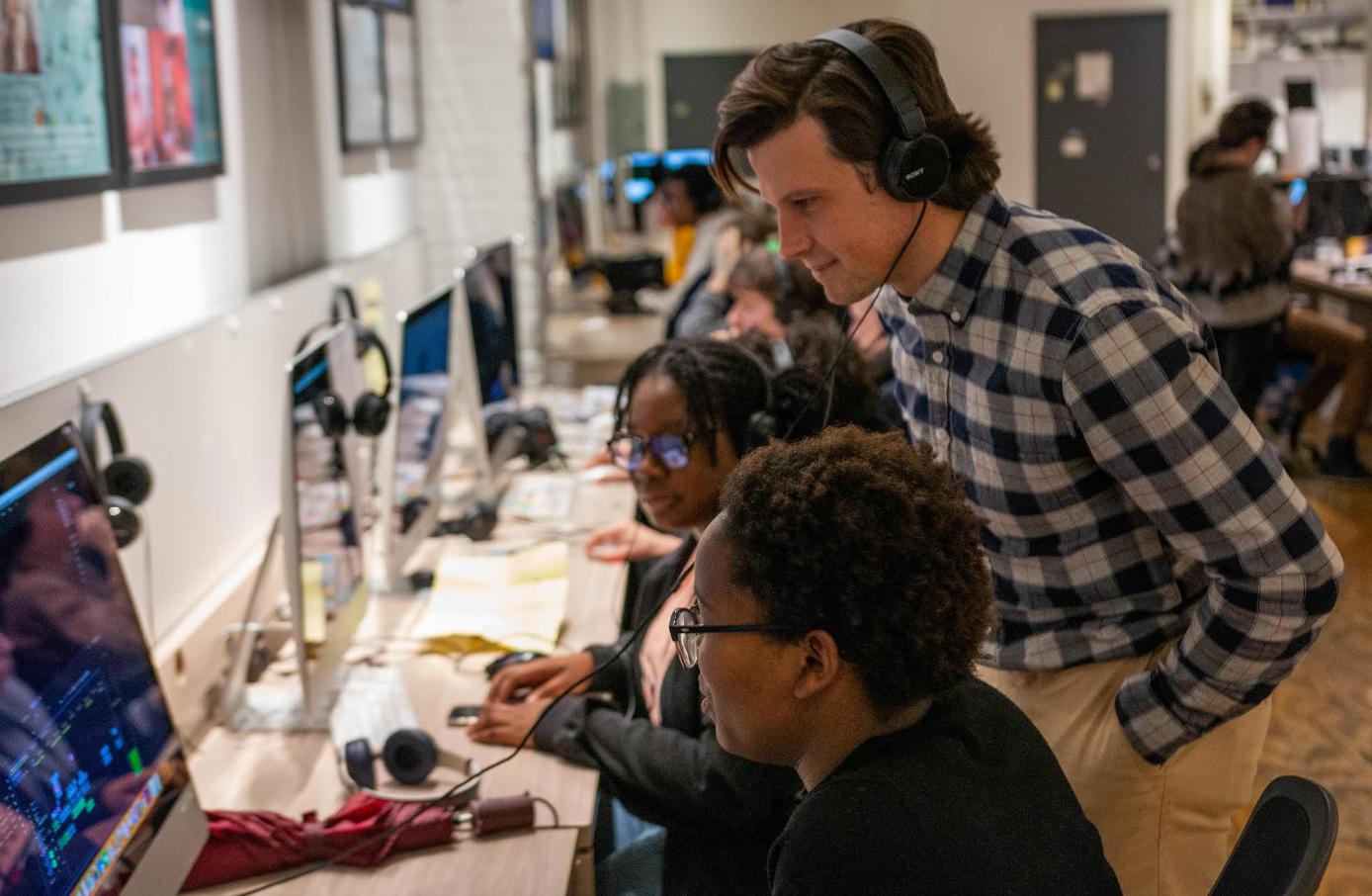
The educational pathway at Reel Works begins in specialized labs focused on documentary, narrative, and animation, where students meet weekly with volunteer mentors. Mentors do not make the films; they serve as sounding boards, helping parse raw footage, and showing young directors how to structure an edit.
To build production muscle, Reel Works institutes an internal peer-to-peer structure through its Fellows program. Advanced students specializing in cinematography, sound design, producing, and editing are assigned to crews for first-time filmmakers. The model allows senior students to sharpen technical leadership while ensuring newer creators receive polished production support.
As students mature and consider long-term careers, the organization’s workforce initiative, MediaMKRS, serves as the next step. Developed in formal partnership with entertainment unions, including IATSE locals and Theatrical Teamsters Local 817, alongside major studios, MediaMKRS trains and credentials approximately 500 emerging professionals each year. The program covers 27 distinct industry crafts, ranging from electric, grip, scenic art, and camera loading to emerging fields like virtual production and VFX coordination.
These programs translate directly into union wages and career stability. For one alum, Antionette Massiah, she went from styling hair in her home, to being a fully union credited Hair Department Supervisor for Broadway productions including Cabaret, Shucked, and A Wonderful World: The Louis Armstrong Story – regularly hiring new MediaMKRS graduates onto her crews. For another, Destiny Blackwell, she completed the Documentary Lab and joined the MediaMKRS inaugural cohort, crediting her experiences with securing direct hiring referrals with television writer Amber Ruffin and filmmaker Lisa Cortés at Cortés Filmworks, where Destiny now works while directing Film Club.
Mentors Who Stay for the Journey
The genuine metric of Reel Works lies in the durability of its relationships. When Bernard Smith was developing his student documentary in 2007, his family suffered sudden tragedy, losing his uncle, cousin, and grandfather in an eighteen-month span.
"When my grandfather passed, I was in the middle of developing my documentary, and my mentor said maybe I should bring all of their memories into the story," Bernard shares. "That shaped the purpose of the film. It became therapy for me and my family."
Five years after completing his lab, Bernard returned to Reel Works as a volunteer mentor in 2012. He was paired with DaQuan Herring, a teenager entering the Documentary Lab. During DaQuan’s shoot, the subject of his documentary unexpectedly lost his mother, throwing the project's emotional and narrative focus into uncertainty.
"When I was struggling in the edit, Stephanie sat down with me and Bernard and said, we're going to get this together," DaQuan recalls. "Everybody came together to help me, and that's why I'm always willing to lend a helping hand."
Thirteen years later, their partnership remains unbroken. "We've been locked in since 2012, no breaks in between," DaQuan says. "He's still my mentor, my big brother. I'm the godfather to his children." Bernard adds, "after Reel Works, I knew I wanted this young man to be part of my legacy. I'm kind of living vicariously through his successes." Today, DaQuan works as a supervising school aide, a youth mentor, and serves on the Intergenerational Community Arts Council with BRIC and University Settlement.
For filmmaker Maya Velazquez, who progressed through the Documentary Lab, Narrative Lab, and Fellows Program, that consistent presence made the difference between quitting and continuing. When imposter syndrome caused her to hesitate on applying to an advanced lab, a staff member called her directly to walk through her concept. Her mentor, Prisca Edwards, who now works on staff at the Reel Works studio, became an enduring artistic collaborator.
"My mentor was Prisca Edwards, and we're still close," Maya says. "We hang out every month, and the other day I helped her photograph a prom. With all the mentors I've had through the programs, I'm adamant about keeping the relationship."
Brianna Abdullah, who completed the Master Lab in 2013 and returned for the Fellows program in 2019, found that this mentorship instilled creative confidence before connecting her to professional sets, "my mentor had me ask introspective questions about each character, and about how I see myself in the story, so the story could be authentically me. It felt good to know there were people who saw the same capabilities in me that I saw in myself. When I told John what I wanted to learn, he connected me to the show Elementary, where I worked for a year and a half alongside the production team. At Reel Works, when you ask for help, they extend their resources to you."
What Cinema Screens Give to Community Stories
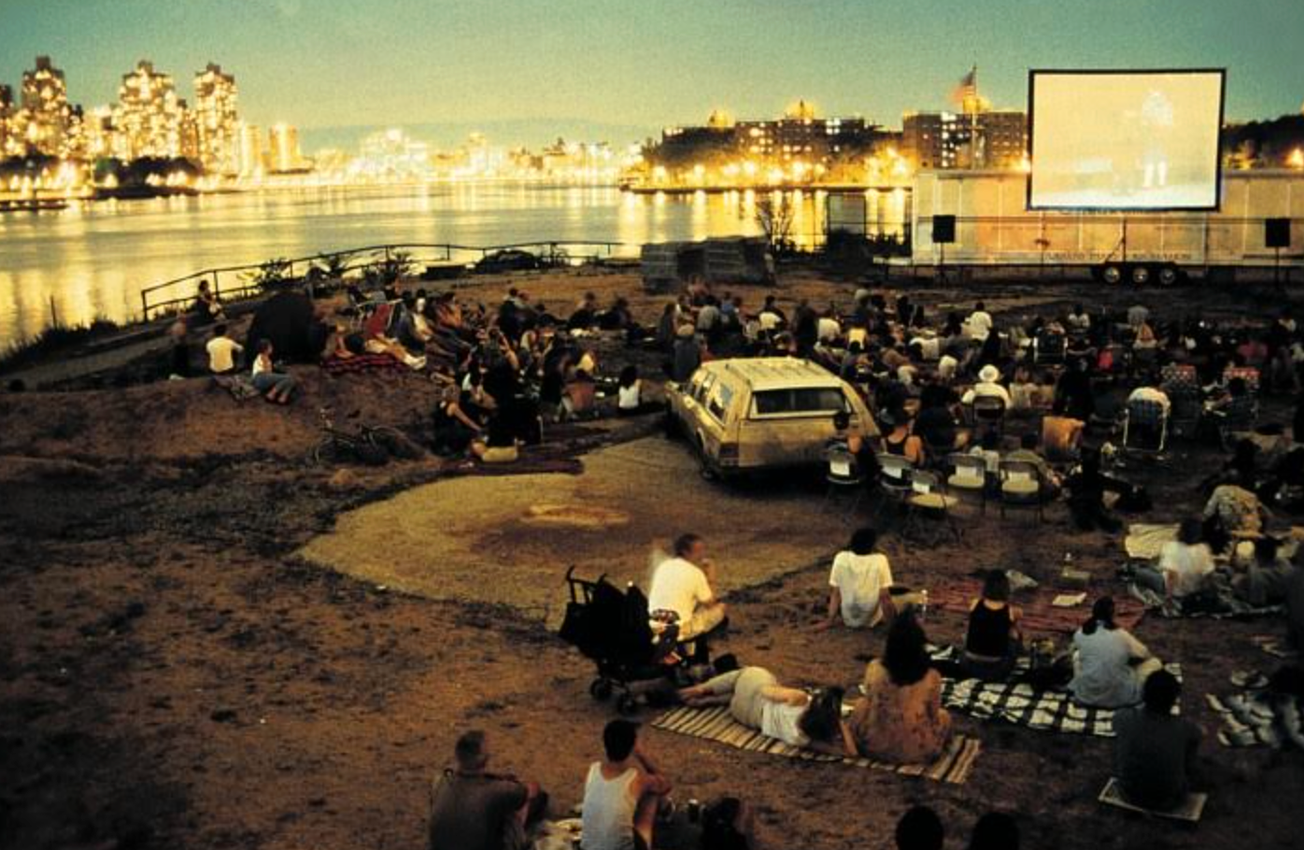
When young people sit in front of an audience of hundreds and see their lives, neighborhoods, and stories projected across a cinema screen, their relationship to their city shifts permanently.
"Having my film screened for a live audience made me feel seen," DaQuan says. "I wasn't just a shadow in the background, fading away. It made me feel like I could make a difference in this world."
Bernard remembers the feeling of standing in the lobby after his screening: "It was the first time I had a tailored suit, and my mom was there, so proud of me. Afterward, people kept coming up to tell me how brave and strong I was to tell that story at my age. To have my story accepted, appreciated, and embraced was a wonderful feeling."
That reception validates vulnerable storytelling. When Maya’s film premiered online during the pandemic, she initially worried she had revealed too much of herself. "The moment I got off the Zoom, I called my mentor crying because I thought my film was terrible," she recalls. "She said, 'No, Maya, your film was amazing.' I'd shared almost a personal diary with the world. In ninth grade I was very shy, and that was my first step out of my shell."
When personal experience is treated with cinematic dignity, students realize their everyday realities carry artistic and social weight. Film shifts from an abstract commercial product into a direct tool for communication, connection, and historical record.
Transforming the Storytellers to Transform the Industry
Having served more than 10,000 young people across its programs, Reel Works is carrying its methodology into new regions and mediums. MediaMKRS now runs training initiatives in New Jersey, Pittsburgh, Atlanta, Los Angeles, Toronto, and Vancouver. At the home studio in Brooklyn, the organization is launching labs for immigrant youth and neurodiverse storytellers alongside curricula in podcasting, broadcast journalism, and AI tools.
Yet the core question asked of each student sitting down across from a mentor remains the same as it was in 2001: What matters to you, and what story do you want to tell the world?
"Media isn't just in the hands of the powerful anymore," Bernard notes, looking back on the changes he has witnessed across the industry.
As Destiny Blackwell reflects, "a change I would love to see in the industry is more mentorship. I wish more people in the industry were open to sharing their gifts and talents with the younger people coming in, and letting them know it's possible to make ground in this field. It's not closed off to anyone. We need a better open door policy in the industry."
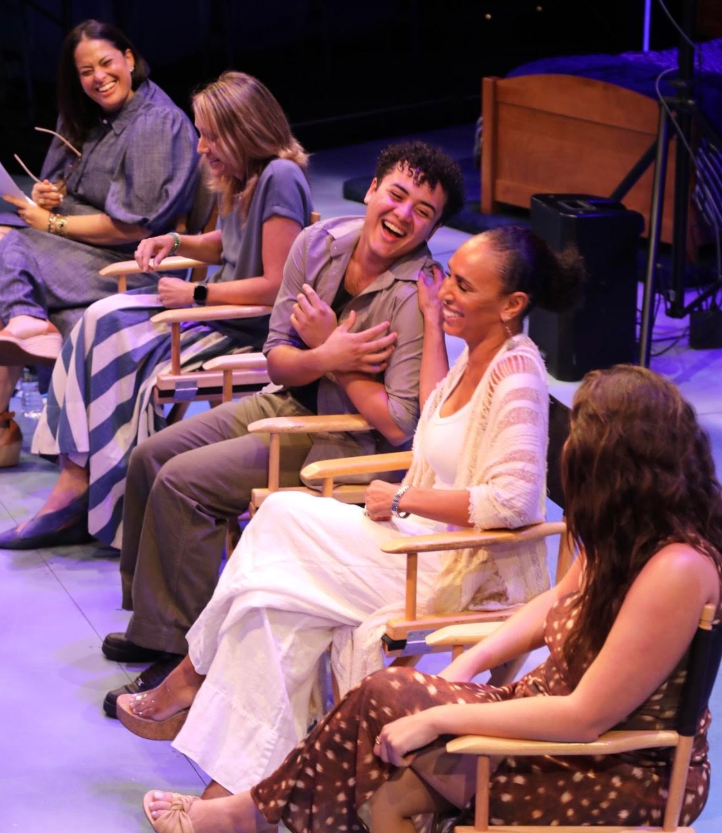
On November 22 at SVA Theatre, more than 30 new films across eight screening blocks will project the visions of emerging directors onto the big screen. The student filmmakers answering questions at the microphones are not waiting for permission to participate in culture. Backed by mentors who answer their calls and union networks that hire them, they are taking their places behind the camera and reshaping who gets to tell the story.
To learn more about Reel Works, visit reelworks.org.