Fresh Notebooks, Laced Sneakers, and Open Curtains
Inside a middle school hallway in NYC, the start of September brings a familiar cadence of squeaking sneakers, pristine uniforms, and fresh notebooks waiting for their first notes. This year, the return to routine extends well beyond classroom walls and whiteboards. For one Bronx middle schooler, the new academic term isn't defined solely by math formulas or history dates, but by the anticipation of stepping into a dark Broadway theater and watching a story unfold on stage.
"I think exposing kids to something as beautiful as Broadway, going out to different field trips, really understanding the place that they live in, definitely helps us become better people, more acclimated with the world that we live in, more socially aware," they shared during a recent outing.
That sense of belonging within a broader world is precisely what happens when students step beyond their neighborhood blocks. When young people encounter live performance, explore backstage corridors, or navigate cultural institutions across the five boroughs, their perspective expands. The school year transforms from a series of tasks into an open-ended invitation to discover their city and themselves.
Opening Doors Across a Culturally Rich City
New York City holds one of the densest concentrations of artistic talent and cultural institutions in the world. Yet for thousands of public school students, those landmark theaters and world-class museums are often unknowns. Geographic distance, rising admission costs, and strained school budgets often build an invisible wall between young people and the vibrant arts ecosystem right in their backyard.
While arts programs exist within many schools, limited resources can make it difficult for educators to offer comprehensive creative exposure alongside standard academic requirements. When access depends on household income or private funding, systemic gaps widen quickly. Bridging these divides requires more than an occasional field trip; it requires intentional, sustained partnerships that establish cultural access as a fundamental right for kids, rather than a privilege. Organizations across the city, including Situation Project, recognize that early, consistent exposure ensures students feel ownership over the cultural capital surrounding them.
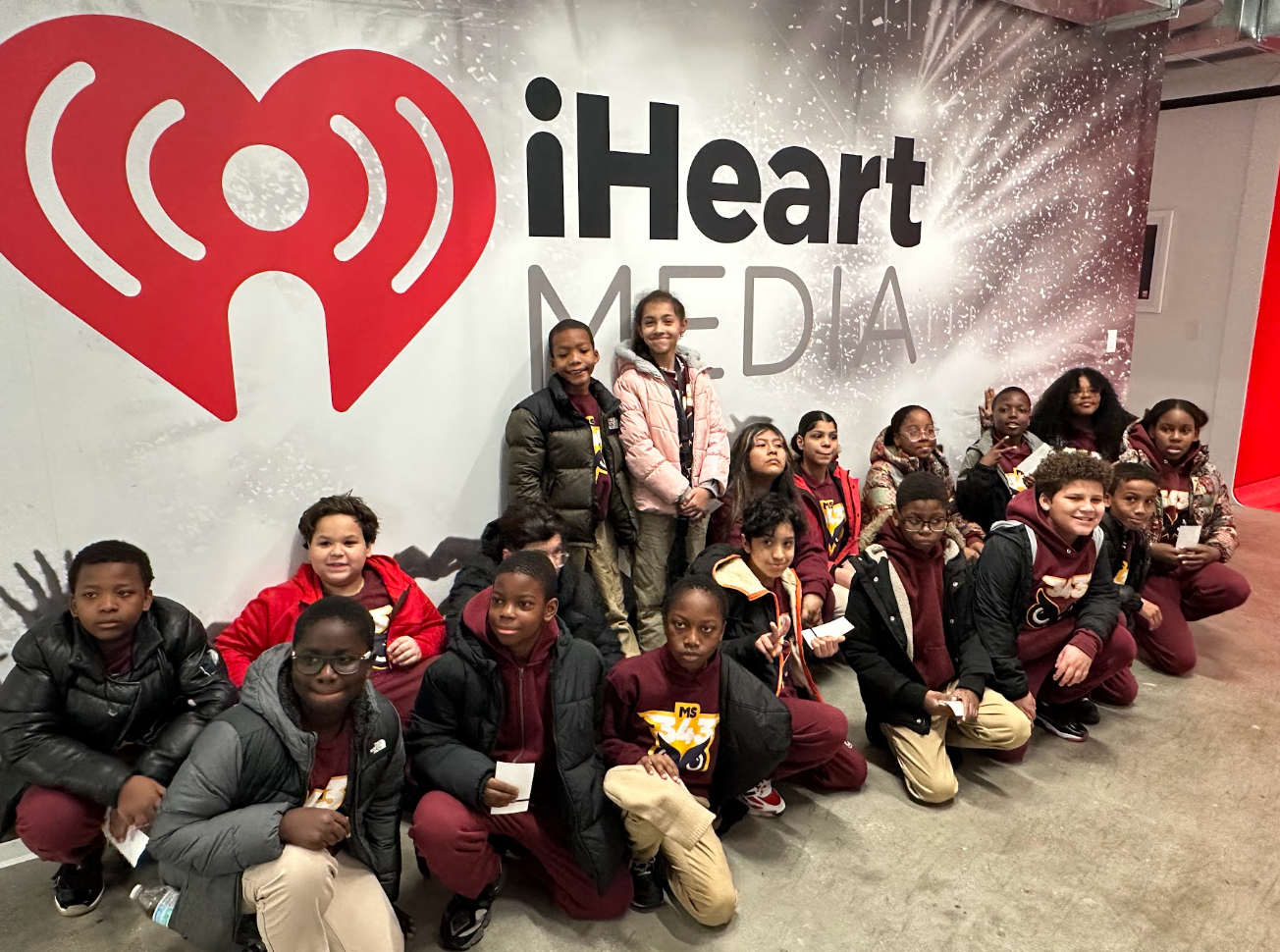
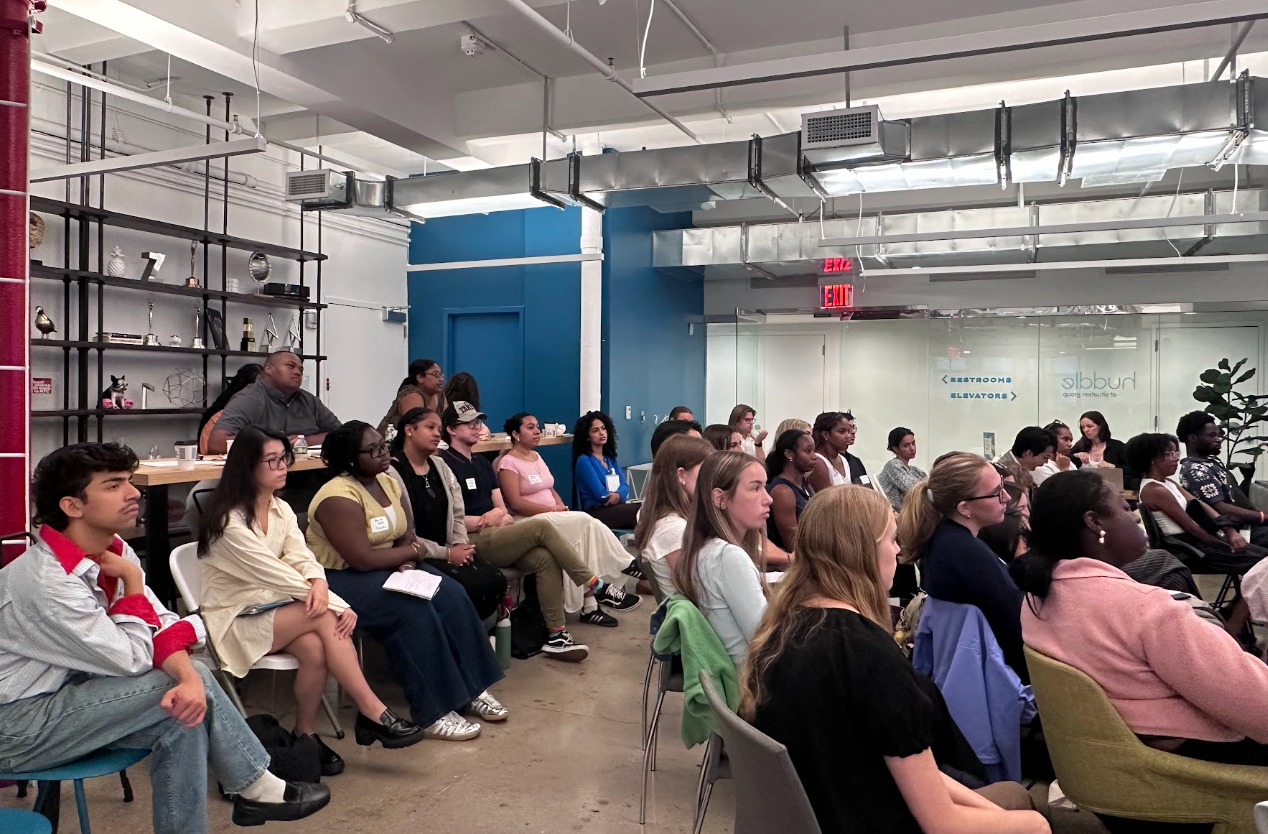
Caption: Situation Project Students at iHeart Radio
Building Art into the Educational Foundation
To make cultural learning a reliable staple of the academic experience, arts organizations work hand-in-hand with school leaders and teachers to integrate experiences directly into existing curricula. Rather than treating arts access as an extra add-on, programs like Situation Project integrate these opportunities into the school calendar from the start of the year. The process relies on strong relationships with administrators and teachers who serve as critical anchors for sustainable engagement.
Throughout the school year, this collaborative model provides students with free access to Broadway performances, backstage tours, college campus visits, and interactive workshops across the boroughs. The goal is simple: support existing school arts programs, fill gaps where creative offerings are absent, and establish a recurring rhythm where young people naturally expect arts experiences as a normal part of their education.
Connecting Through Shared Creative Experiences
When students gather in a theater or workshop space, the impact extends beyond entertainment. The shared experience of watching a live performance creates a unique space for reflection, dialogue, and empathy.
"Consuming art brings people together," says Samara Berger, Executive Director of Situation Project. "Physiologically, culturally, geographically; it is the ultimate bridge builder. Whether you hate a piece or love it, you can be a part of the conversation. And our students should absolutely be involved in that conversation."
By stepping into these spaces, students learn that their opinions matter and their perspectives belong in public dialogue. Sitting side-by-side with peers and community members, they practice listening, processing complex themes, and voicing their own interpretations. This ongoing dialogue builds social awareness and cultural competency, helping young people navigate diverse environments with confidence both inside and outside the classroom.
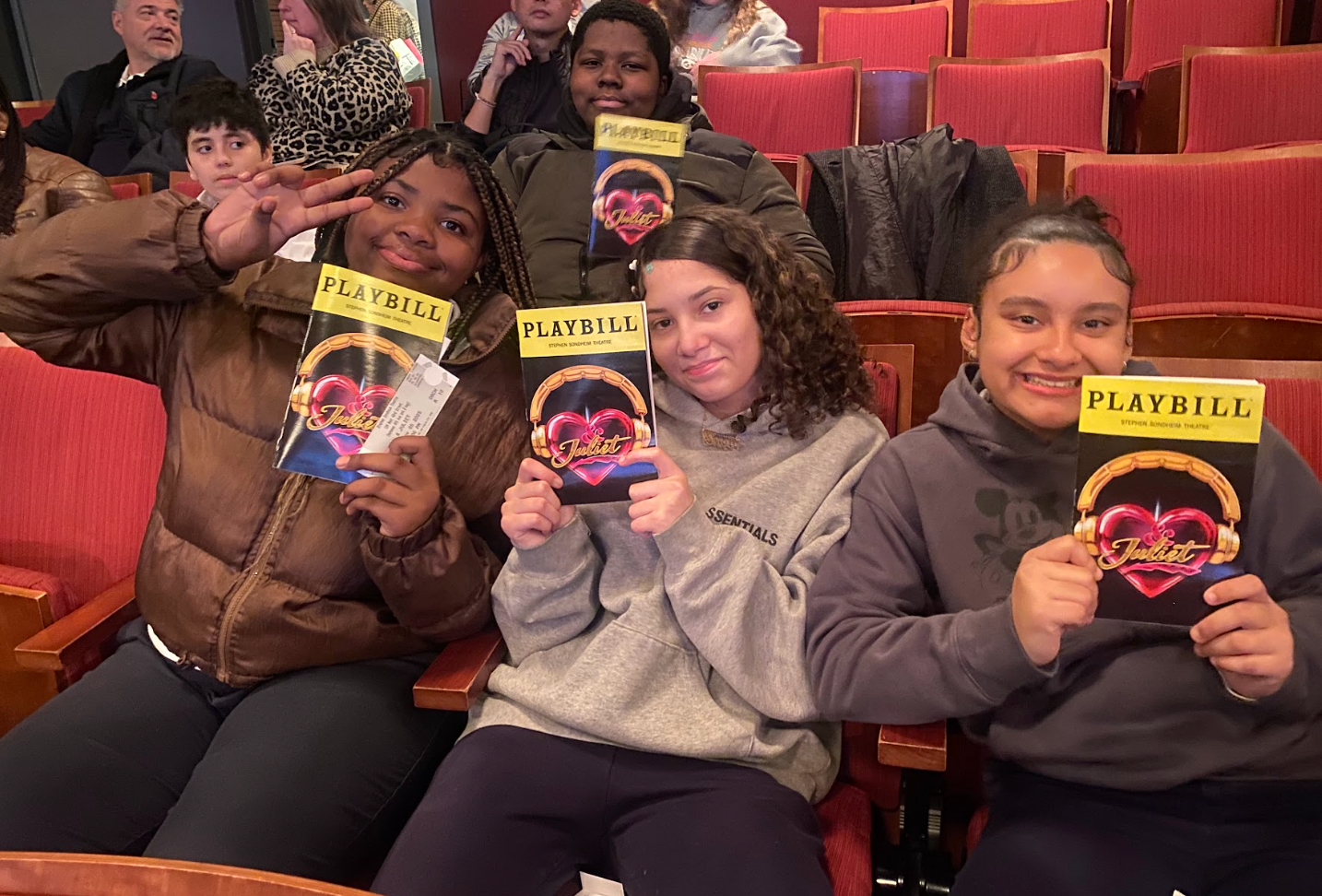
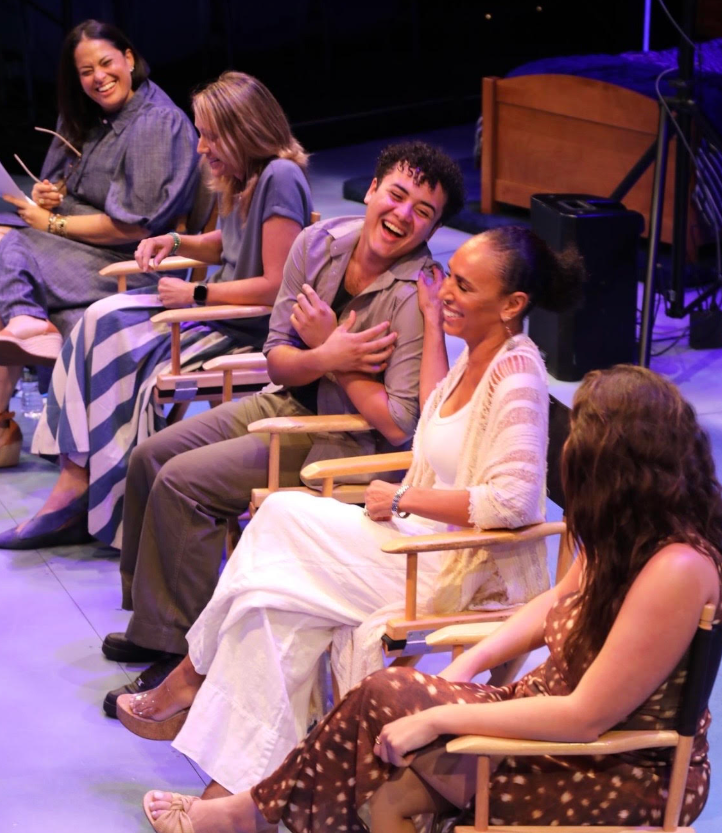
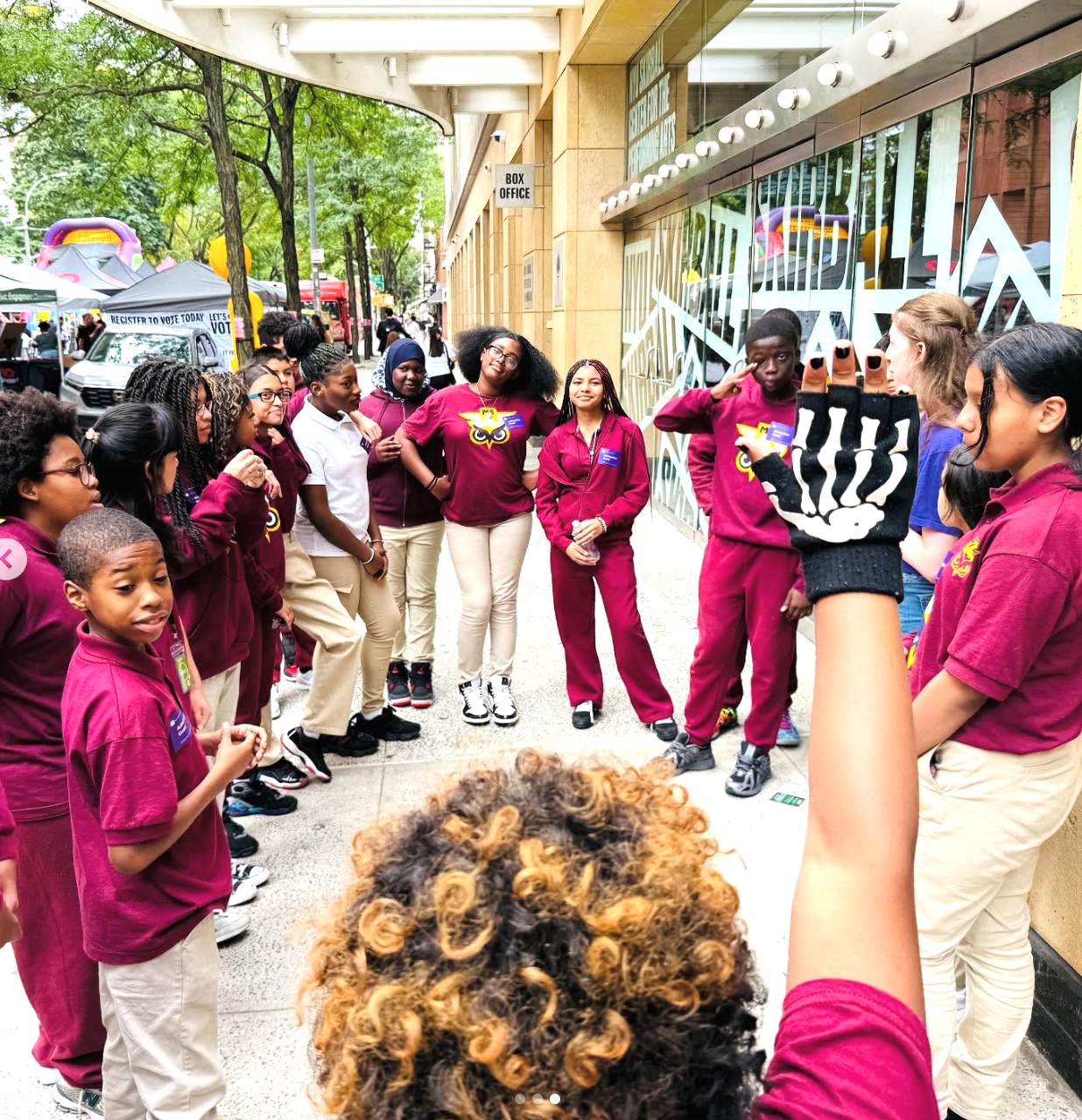
Caption: MS/HS 223 X - The Lab School for Finance and Technology at &Juliet
Cultivating the Next Generation of Creative Thinkers
Establishing arts access at the start of the school year sets a strong tone for long-term growth and self-expression. When young people regularly engage with theater, music, dance, and visual art, they develop crucial skills like critical thinking, collaboration, and effective communication. These experiences encourage students to view their surroundings with curiosity, turning their home city into a living playground for discovery.
As the new academic season begins, ensuring students are woven into the city's cultural fabric remains essential work. These students occupying audience seats today are not passive spectators, they are the next generation of storytellers, artists, thinkers, and leaders. Opening doors for them today guarantees that the future of the arts will be shaped by a wider range of voices, ideas, and lived experiences tomorrow.
As the school year picks up momentum, the curtain rises on endless possibilities for learning, connection, and creative exploration.
____________________________________________________________________________
To learn more about Situation Project, visit https://www.situationproject.org/. To learn more about advocacy initiatives supporting arts access in schools, visit https://nycaieroundtable.org/advocacy/it-starts-with-the-arts/. To learn more about Inspired and Situation Project, visit inspired.situation.ly.