
A Gesture Across the Panel
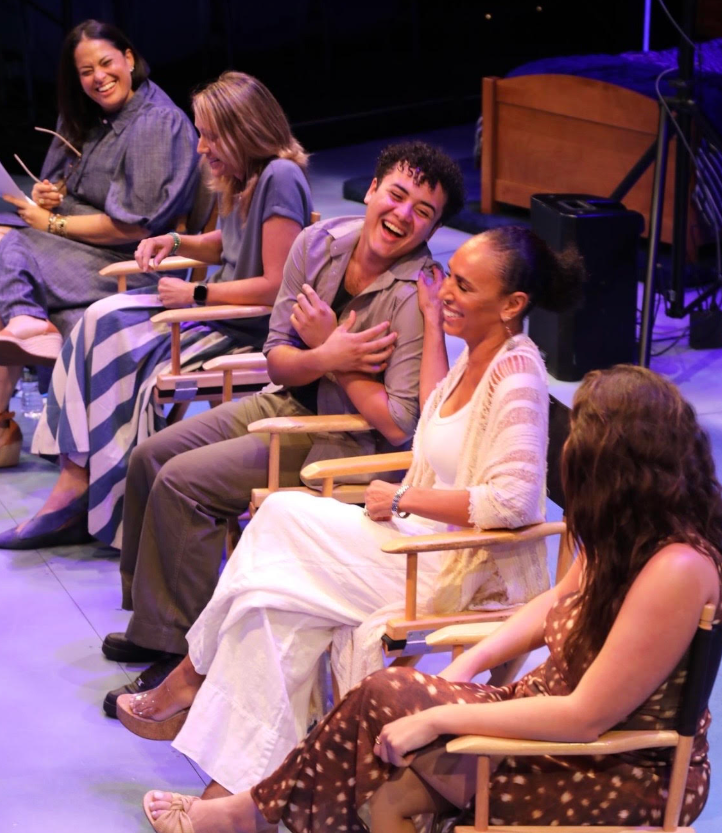
As Remi Bader spoke about her experience with mental health, Maya Days reached over and touched her arm.
It was a small gesture, but for Stacie Karp Weisbrot, founder of The Kind Mind, it captured much of what she hopes the organization can create: a space where people can speak honestly about difficult experiences and find connection in the process.
Bader, a content creator and advocate for size inclusivity in fashion with more than 800,000 followers, was one of the panelists at The Kind Mind's August 14th launch event, at a production of Dear Evan Hansen at Bay Street Theater in Sag Harbor, New York. She spoke candidly about her struggles with an eating disorder and her decision to undergo weight-loss surgery. When she shared that she had lost approximately 100,000 followers after deciding to have the surgery nearly two years earlier, Days, who plays Evan's mother in Dear Evan Hansen, leaned in beside her.
As Bader continued, Days applauded her transparency, vulnerability, and authenticity. The exchange between them became, as Weisbrot described it, "a powerful moment of solidarity and connection between two women who had never met before that evening." Their mutual support could be felt throughout the theater.
Making Mental Health Part of the Conversation
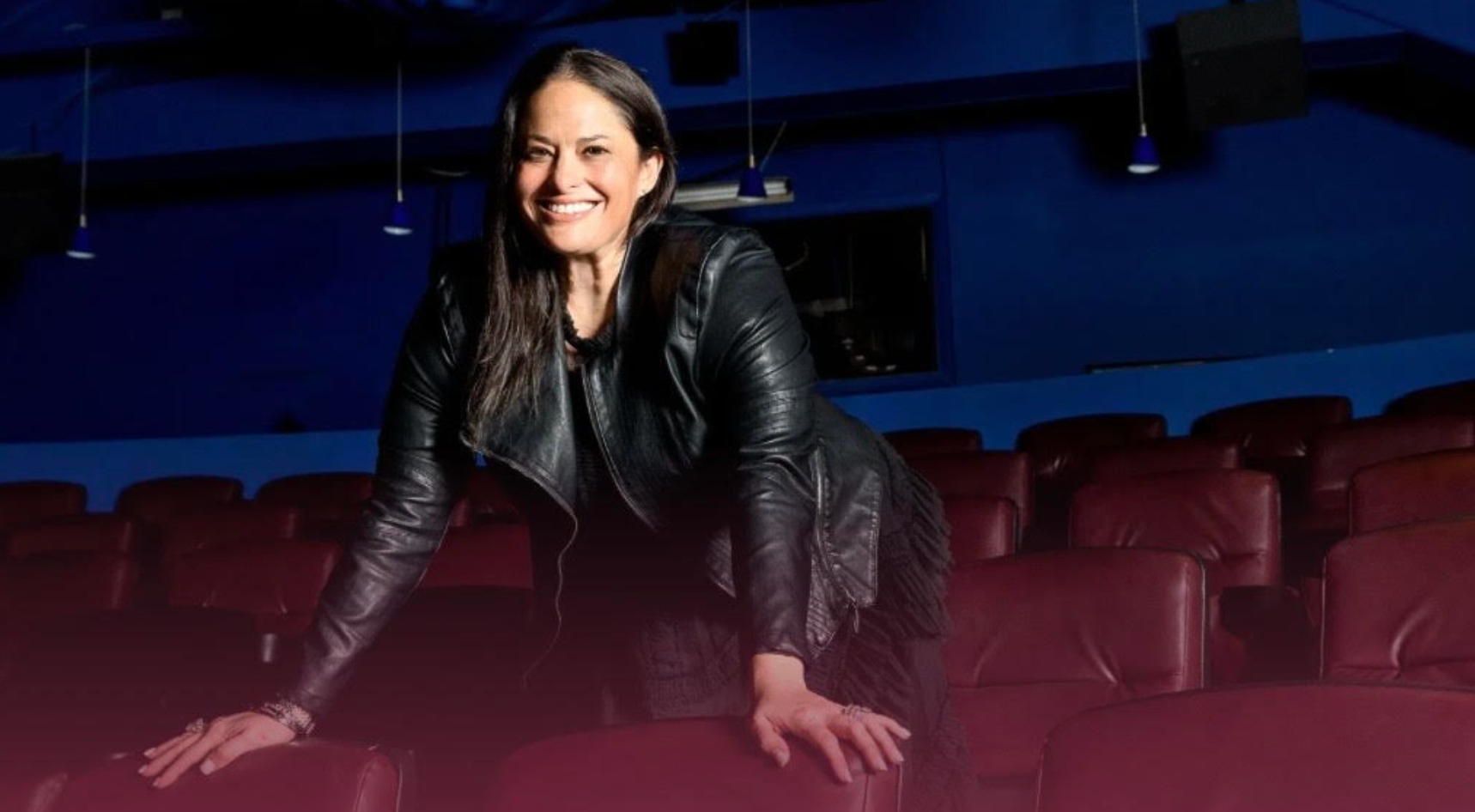
Caption: Founder, Stacie Karp Weisbrot, Image courtesy of Andrea Blakesberg Photography
The Kind Mind was created to serve students and young adults through programs that combine theatre practices with a mental health curriculum. Its goal is not to suggest that a single workshop or performance can solve the complex challenges surrounding young people's mental health. Instead, Weisbrot hopes to create more opportunities for students to build self-awareness, empathy, and impactful connections with one another.
"In a supportive environment, students are given opportunities to collaborate, strengthen their creativity, and explore issues that are relevant to their age group, including topics that may otherwise feel difficult or taboo," Weisbrot said.
Students are encouraged to share, listen, discuss, debate, and support one another while learning to recognize and prioritize their own wellbeing.
Weisbrot believes schools have an important role to play in making those conversations more consistent. "Simply put, I don't think there is enough emphasis in schools on addressing mental health," she said, pointing to the ways many young people experience isolation, anxiety, and disconnection.
While she acknowledges the many mental health and community-based organizations already offering valuable resources and practical tools, Weisbrot sees an opportunity for schools to develop more comprehensive systems of support. That means moving beyond the expectation that one or two counselors alone can address every student's needs.
"Conversations about mental health and well-being should be thoughtfully integrated into the everyday school environment and curriculum," she said. "Schools should provide students with a proactive system, one that addresses mental health before a student reaches a point of crisis."
Finding Ourselves in Stories
For Weisbrot, the arts offer a natural place to begin. "I am a champion of arts education because I believe that by immersing ourselves in other people's stories and experiences, we can form meaningful connections to one another," she said.
A story, script, poem, song, or scene can give a student a way into a conversation that might otherwise feel difficult to start. They may recognize their own emotions or experiences in a character. They may also encounter a perspective far from their own and learn something through the distance between them.
The Kind Mind's launch reflected that relationship between art and conversation. A few weeks before the event, with the introduction from a close industry friend, Weisbrot connected with Benj Pasek, co-creator of Dear Evan Hansen, asking whether he would film an introduction to the evening and help lead into the panel discussion.
Pasek agreed, sending a video in which he discussed the show's themes, its creation, and what he hoped audiences and participants might take away from the evening.
From the stage, Weisbrot watched the audience, panelists, and presenters engage with his words. "It was incredible to have the creator of such an impactful work lend his voice and artistic perspective to the evening," she said, "creating a connection between the story onstage and the conversations which we hoped to inspire."
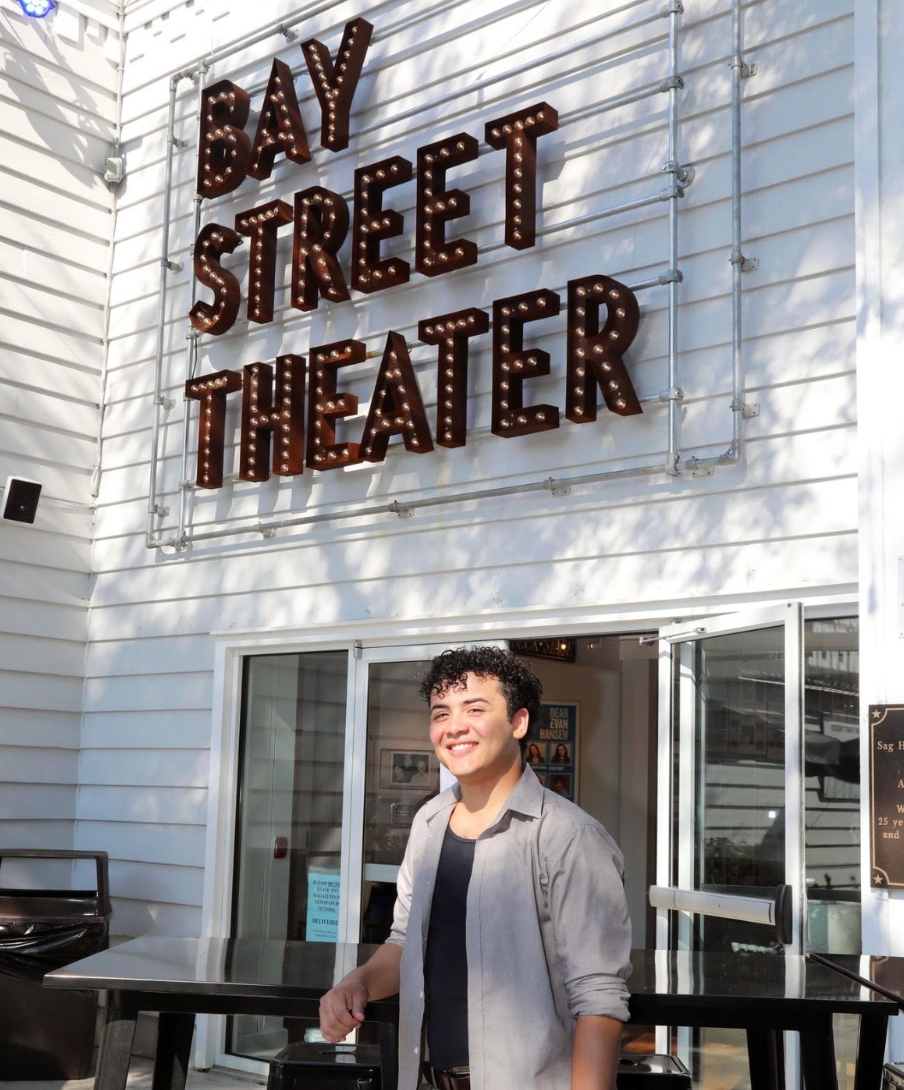
Caption: Image courtesy of Rossa Cole Photography
Connection Is the Starting Point
The Kind Mind's vision begins with students, but it also recognizes that connection can extend to classrooms, families, educators, theatre programs, communities, and beyond.
For Weisbrot, success in the organization's first year does not depend on reaching an abstract number. "The Kind Mind will be successful if it reaches even one student. If it helps that student better navigate their own mental health challenges or, alternatively, gives them the knowledge and tools to support a friend or family member, that’s everything," she said.
Ultimately, Weisbrot wants participants to engage with programming "feeling more resilient, connected, and empowered to communicate openly with others."
That goal reflects a broader understanding of how arts education can function. The value of a creative experience is not limited to what happens during a performance or workshop. Stories can stay with people. A conversation can continue after everyone leaves the room. A moment of recognition can become a reason to ask another question.
And sometimes, connection begins with something as simple as one person reaching across a panel to remind another that she is not alone.
Carrying the Work Forward
Looking ahead, Weisbrot hopes The Kind Mind's first year allows the organization to reach schools throughout New York City, with the possibility of eventually expanding to additional cities and states.
But growth, in her view, also means giving students and teachers ownership of the work. "I would love to see students inspired to create their own 'Kind Mind' missions," she said, whether through special events, student-led initiatives, or programs carried forward within their own schools, classrooms, and theatre communities.
When a young person encounters The Kind Mind for the first time, Weisbrot hopes they feel welcomed immediately and able to safely share their feelings and experiences with peers. "I want students to leave The Kind Mind feeling inspired, with a greater sense of confidence and inner strength to face whatever challenges may come their way."
That ambition leaves room for the complexity of the work ahead. Mental health education requires sustained attention, thoughtful support, and many kinds of expertise. The Kind Mind is entering that larger conversation through one of the tools it knows best: the power of shared stories.
The August launch offered an early picture of what that might look like. A room gathered around a story. A creator lending his perspective. A public figure speaking candidly about her own experience. Another woman responding with empathy. And a hand reaching across the space between them.